If you've noticed small changes in an elderly loved one - a forgotten name, a repeated question, a moment of confusion in a familiar place, you may be carrying a quiet worry: is this dementia, and could it have been prevented? You're not alone in asking this, and there's real, encouraging science behind the answer.
Can dementia be prevented?
Dementia cannot be prevented, but dementia risk can absolutely be reduced. Research, including major findings from the Lancet Commission on dementia, suggests that a significant share of dementia cases are linked to modifiable factors, meaning things within our influence, not just age or genetics. This doesn't mean every case is preventable. It means the daily choices a family makes can meaningfully lower the risk and delay onset, which is genuinely hopeful news.
It's also worth understanding that dementia isn't a single disease, it's an umbrella term for a group of conditions, including Alzheimer's disease, vascular dementia, and others, each with slightly different causes and risk profiles. Because of this, prevention strategies tend to work best when they target overall brain and body health, rather than any one specific condition.
What are the main risk factors for dementia?
The most well-established dementia risk factors include:
- High blood pressure, diabetes, and high cholesterol, cardiovascular health is closely tied to brain health
- Physical inactivity
- Social isolation and loneliness
- Lack of mental stimulation
- Untreated hearing loss
- Poor sleep and diet
- Smoking and excessive alcohol use
- Depression, especially when untreated over long periods
- Head injuries, particularly repeated or untreated ones
For Indian families, several of these carry particular relevance. Diabetes and hypertension are widespread, often under-managed, and directly linked to vascular dementia risk. At the same time, family structures are shifting from joint to nuclear households, which means elders sometimes experience more social isolation than previous generations did, even while living in the same city as their children.
How can I reduce dementia risk in an elderly loved one?
- Manage cardiovascular health. Regular monitoring of blood pressure, blood sugar, and cholesterol, and consistent management of these, protects blood flow to the brain over time. This is often the single most impactful step, especially in a population where these conditions are common but frequently under-treated.
- Encourage daily movement. Even a 30-minute walk supports circulation to the brain and has been linked to slower cognitive decline. It doesn't need to be intense, consistency matters more than intensity.
- Protect social connection. Loneliness is one of the more overlooked risk factors. Regular visits, phone calls, community groups, religious gatherings, or a companion caregiver can help preserve this protective factor, particularly for elders living alone or with limited daily interaction.
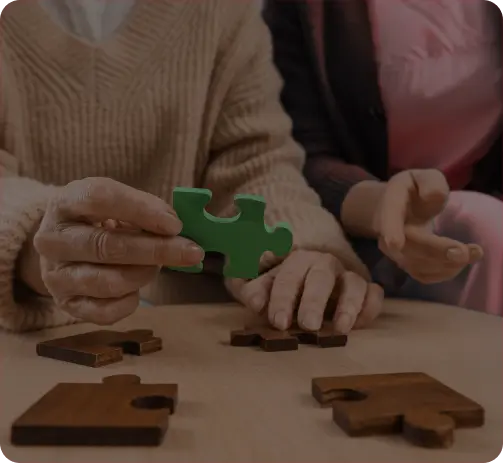
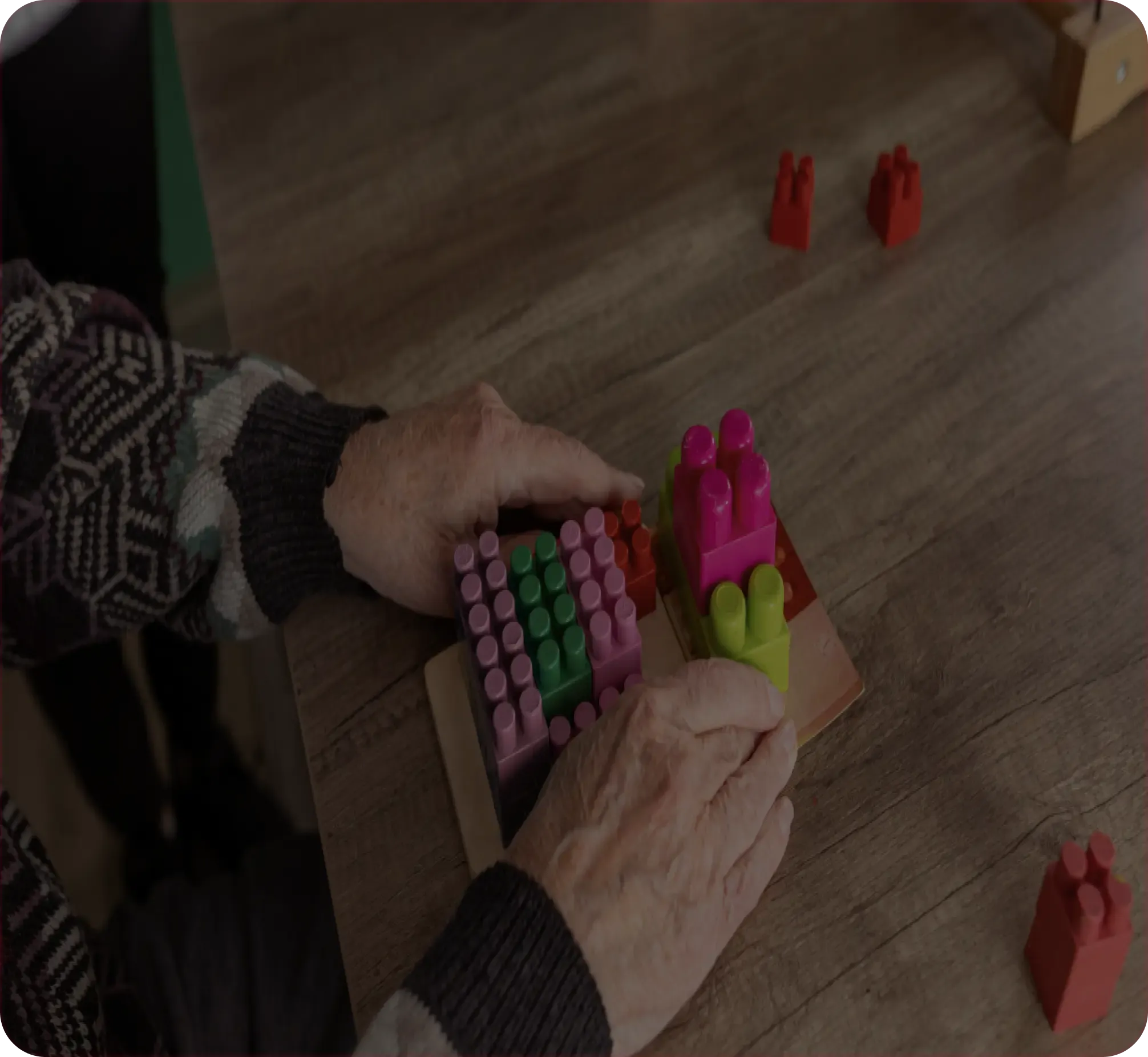
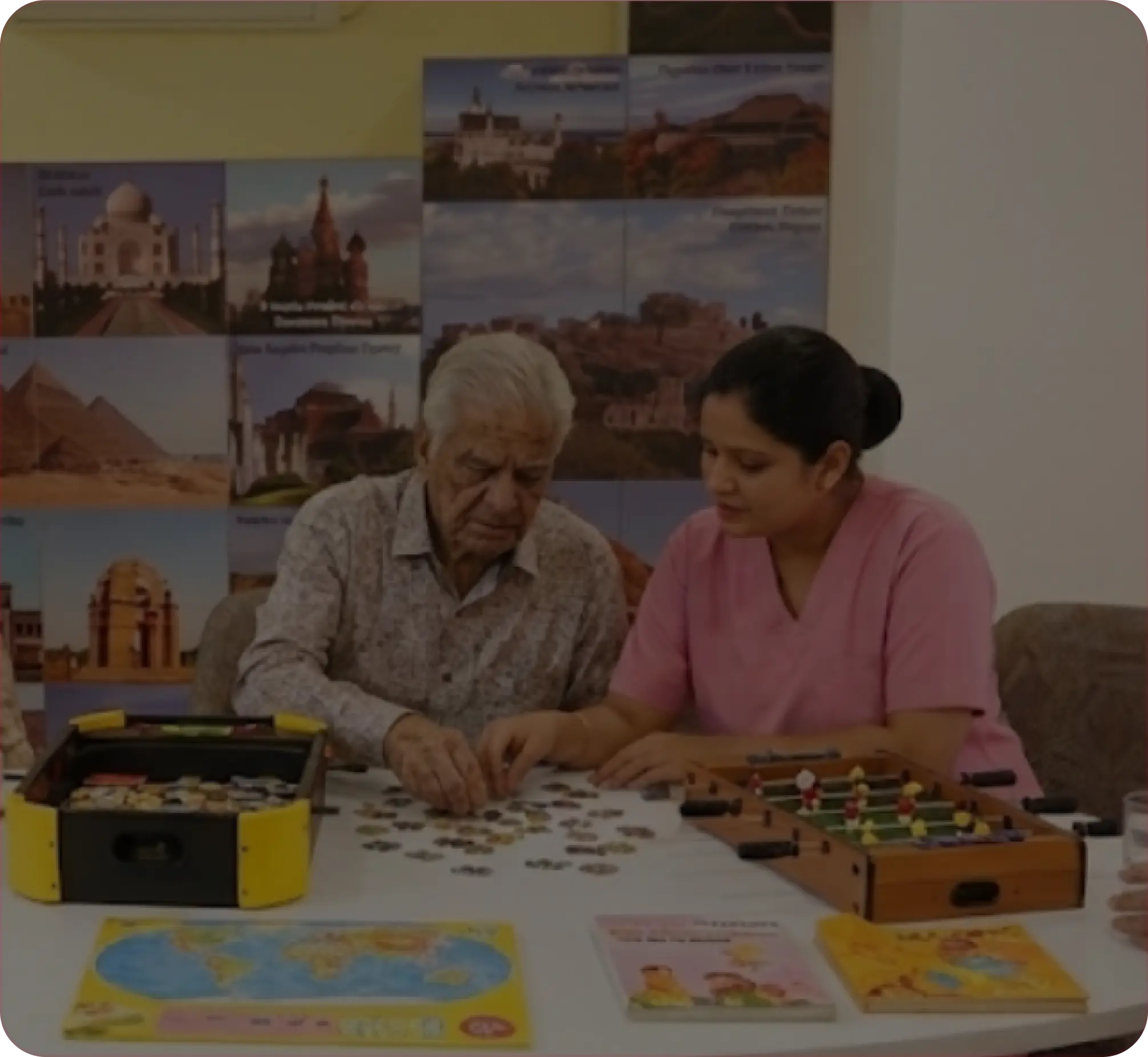
- Keep the mind engaged. Reading, puzzles, learning something new, playing an instrument, or simply having stimulating conversation builds what researchers call cognitive reserve, a kind of buffer that helps the brain compensate for age-related changes.
- Get hearing checked. This one surprises many families. Untreated hearing loss is linked to higher dementia risk, likely because it reduces social engagement and increases cognitive strain as the brain works harder to process unclear sound. A simple hearing test, and a hearing aid if needed, can make a genuine difference.
- Prioritise sleep and nutrition. Diets rich in vegetables, fruits, legumes, and healthy fats, similar to a Mediterranean-style diet, along with consistent, good-quality sleep, both support long-term brain health.
- Avoid smoking and limit alcohol. Both are independently linked to increased dementia risk, and quitting or reducing intake at any age offers measurable benefit.
At what age should dementia prevention start?
Ideally, well before symptoms appear, many experts suggest brain-healthy habits matter most in midlife, from the 40s onward, when cardiovascular and lifestyle factors begin to have a compounding effect over decades. But it's never too late to start. Even in a loved one is in their 70s or 80s, improving physical activity, treating hearing loss, or increasing social engagement can still meaningfully support brain health and slow decline.
What can be done in your 20s and 30s to reduce dementia risk later in life?
Dementia prevention might feel like a distant concern in your 20s and 30s, but this is actually when some of the most valuable groundwork gets laid, brain health built early tends to compound over decades.
- Build an active lifestyle as a habit, not a phase. Regular exercise in early adulthood shapes long-term cardiovascular health, which is directly tied to brain health decades later.
- Protect your hearing early. Loud environments, headphones at high volumes, and unmanaged ear infections can cause cumulative damage. Getting into the habit of hearing protection now pays off much later.
- Invest in real, sustained social relationships. Friendships and community ties formed in your 20s and 30s often become the support systems that carry into midlife and beyond, when isolation risk tends to rise.
- Manage stress and mental health proactively. Chronic stress and untreated depression in early adulthood are linked to higher dementia risk decades down the line. Seeking support early isn't overreacting, it's protective.
- Establish good sleep habits. The irregular sleep patterns common in your 20s and 30s, late nights, inconsistent schedules, can be hard to unlearn later. Building consistent sleep now sets a foundation.
- Avoid smoking, and be mindful of alcohol. Both carry cumulative long-term risk, and habits formed in early adulthood are often the hardest to change later.
What should midlife (30s and 40s) focus on to lower dementia risk?
Midlife is where modifiable risk factors start to have real, measurable impact, this is often described as the most important window for dementia prevention.
- Get regular health screenings. Blood pressure, blood sugar, and cholesterol should be checked routinely from your 30s onward, since conditions like hypertension and diabetes often develop silently during this decade.
- Take cardiovascular health seriously. This is the point where cardiovascular risk factors begin compounding meaningfully. Managing them now has an outsized effect on long-term brain health.
- Prioritise cognitive engagement alongside career growth. Learning new skills, taking on intellectually varied work, or picking up a new hobby all continue building cognitive reserve during a decade that's often dominated by routine.
- Watch for the "sandwich generation" strain. Many people in their 30s and 40s are simultaneously raising children and caring for ageing parents. This is a high-risk period for burnout, poor sleep, and neglected personal health, all of which affect long-term brain health. Asking for support here isn't a compromise; it's protective for your own future.
- Address hearing loss if it appears. This is often when early signs of hearing decline start to show. Getting it evaluated and treated promptly matters more than many people realise.
- Reassess diet and activity levels honestly. Metabolism and lifestyle demands shift in this decade. Revisiting nutrition and movement routines helps offset the natural changes happening in the body.
What should people in their 50s and 60s do to reduce dementia risk?
This decade is where sustained prevention efforts meet the years that matter most for long-term brain protection, and it's also an excellent time to catch up if earlier decades weren't as brain-healthy as you'd have liked.
- Treat cardiovascular conditions aggressively, not passively. If blood pressure, diabetes, or cholesterol have been an ongoing issue, this is the decade to bring them under tighter control, with medical guidance.
- Stay physically active, consistently. Even moderate, regular activity, walking, swimming, yoga, continues to meaningfully protect brain health at this stage.
- Get a hearing test, even without obvious symptoms. Age-related hearing loss often develops gradually enough to go unnoticed. Catching and treating it early in this decade is one of the more overlooked but impactful steps available.
- Guard against social withdrawal. Retirement, an emptying nest, or the loss of a spouse or close friends can quietly shrink a person's social world during this period. Deliberately maintaining friendships, community involvement, or family connection matters more than ever.
- Keep learning and staying mentally active. Reading, puzzles, new skills, or even mentoring younger family members all continue to build cognitive reserve.
- Watch for early signs, without panic. Occasional forgetfulness is normal. But persistent memory changes, difficulty with familiar tasks, or noticeable personality shifts are worth discussing with a doctor, early evaluation allows for early support, and often, real peace of mind.
What should I do if dementia is diagnosed in the early stages?
An early diagnosis can feel frightening, but it offers something valuable: time.
- Get a full medical evaluation to confirm the diagnosis and rule out reversible causes, like vitamin deficiencies or thyroid issues, which can sometimes mimic dementia symptoms.
- Have honest, gentle conversations with your loved one about their wishes for care, finances, and future decisions, while they can still participate meaningfully.
- Establish routine and structure early. Predictable daily routines reduce confusion and anxiety far more effectively when introduced before disorientation deepens.
- Introduce cognitive engagement, music, familiar recipes, storytelling, and old photographs help maintain function and a sense of self.
- Plan ahead, rather than waiting for a crisis, so decisions around legal, financial, and care matters are made together as a family, with your loved one's voice included.
How does care change in the mid stage of dementia?
As memory loss deepens, daily tasks become harder, and this stage often asks the most of caregivers, emotionally and physically.
- Adapt the home environment, clear labelling, reduced clutter, and good lighting ease confusion and reduce fall risk.
- Focus on remaining abilities, not just what's been lost. A song, a familiar face, or a grandchild's laughter can still bring genuine joy, even when memory has faded.
- Understand challenging behaviours as communication. Agitation, aggression, or repetition often signal an unmet need, discomfort, hunger, fear, or overstimulation, rather than intentional difficulty. Looking for the trigger behind a behaviour is usually more effective than trying to correct the behaviour itself.
- Bring in professional support when needed. Trained caregivers, day-care services, or respite care aren't a failure of love, they're often what allows love to be sustained without burning out entirely.
What does late-stage dementia care look like?
In the later stages, the focus shifts meaningfully toward comfort, dignity, and connection, rather than independence or cognitive stimulation.
- Physical comfort becomes central, pain management, skin care, nutrition, and gentle mobility support.
- Presence matters more than words. A held hand, a familiar voice, or a favourite piece of music can reach someone even when conversation no longer can.
- Family involvement, even in small moments, helps preserve connection for both your loved one and you, and often matters more than either party can fully express.
A gentle reminder for families
There is no single right way to walk this path, and no family gets every decision perfect. What matters most, at every stage, from the first flicker of concern to the final days, is the willingness to keep showing up with patience, presence, and love. Dementia may eventually change how someone remembers you. It never changes how deeply they can still feel your care.