There are few moments in caregiving as quietly devastating as the one when a parent looks past you, a spouse asks who you are, or a lifelong friend greets you like a stranger. It is a grief that has no clear name, because the person is still there, still breathing, still living, and yet the relationship you knew has changed shape. Understanding why this happens, and what you can still do to stay close, can make this stage feel less like loss and more like a different kind of connection.
How does dementia affect memory?
To understand why a loved one might forget a spouse of fifty years but still hum a song from childhood, it helps to know how memory is organised in the brain, and how dementia dismantles it. Memory is not one single system. It is layered, and dementia tends to erode those layers in a fairly predictable order, a pattern often described by what is known as Ribot's Law: recent memories are lost before older ones.
- Short-term and recent memory go first. Conditions like Alzheimer's disease typically begin by damaging the hippocampus, the brain region responsible for forming new memories. This is why early symptoms often look like repeated questions, forgotten appointments, or misplaced keys, the brain simply can't file new information away properly anymore. Someone in this stage may remember their wedding day in vivid detail but not remember what they had for breakfast.
- Recent past experiences erode next. As the disease progresses, memories from the last few years, a grandchild's birth, a recent move, a new daughter-in-law, become harder to retrieve. This is often the stage where a loved one might mistake a recently married spouse for a stranger, while still recognising someone from decades earlier.
- Long-term and emotional memories persist longest. Memories that were formed early in life, repeated often, or tied to strong emotion are stored more diffusely across the brain and are more resistant to damage. This is why a person with advanced dementia may not know their own son's name but can still recite a childhood prayer, sing a song from their teenage years, or recall the layout of their childhood home in detail.
- Procedural and emotional memory can outlast factual memory. Even when someone cannot recall who you are, they often still register how you make them feel. A gentle tone, a familiar touch, or a calm presence can register as safety and comfort, even when the specific relationship has been forgotten. This distinction matters enormously for how we approach connection.
What to do when a loved one no longer recognises you?
- Let go of correcting them. The instinct to say "It's me, don't you remember?" is natural, but it often causes distress rather than clarity. Instead, try meeting them where they are. If they call you by another name or mistake you for a sibling or old friend, it can be kinder to gently go along with it than to insist on the "correct" reality.
- Focus on emotional tone, not factual recall. You don't need to be recognised to be a comforting presence. Warmth, a soft voice, and unhurried body language communicate safety even when words and names no longer connect.
- Reduce pressure in interactions. Questions like "Do you know who I am?" can create anxiety and a sense of failure. Simple, low-demand statements, "I'm so glad to see you today", invite connection without testing memory.
- Grieve, but don't withdraw. Many caregivers describe this stage as a form of ambiguous loss, mourning someone who is still physically present. It is important to acknowledge that grief, ideally with support from a counsellor, support group, or others walking the same path, while continuing to show up for the person who is still there.
How can you help your loved ones with dementia with their memory?
Certain activities tap into the memory systems that dementia affects last, offering moments of genuine connection even in later stages:
- Music. Familiar songs from someone's youth can trigger recognition, mood lift, and even movement, often described as one of the most reliably effective tools in dementia care.
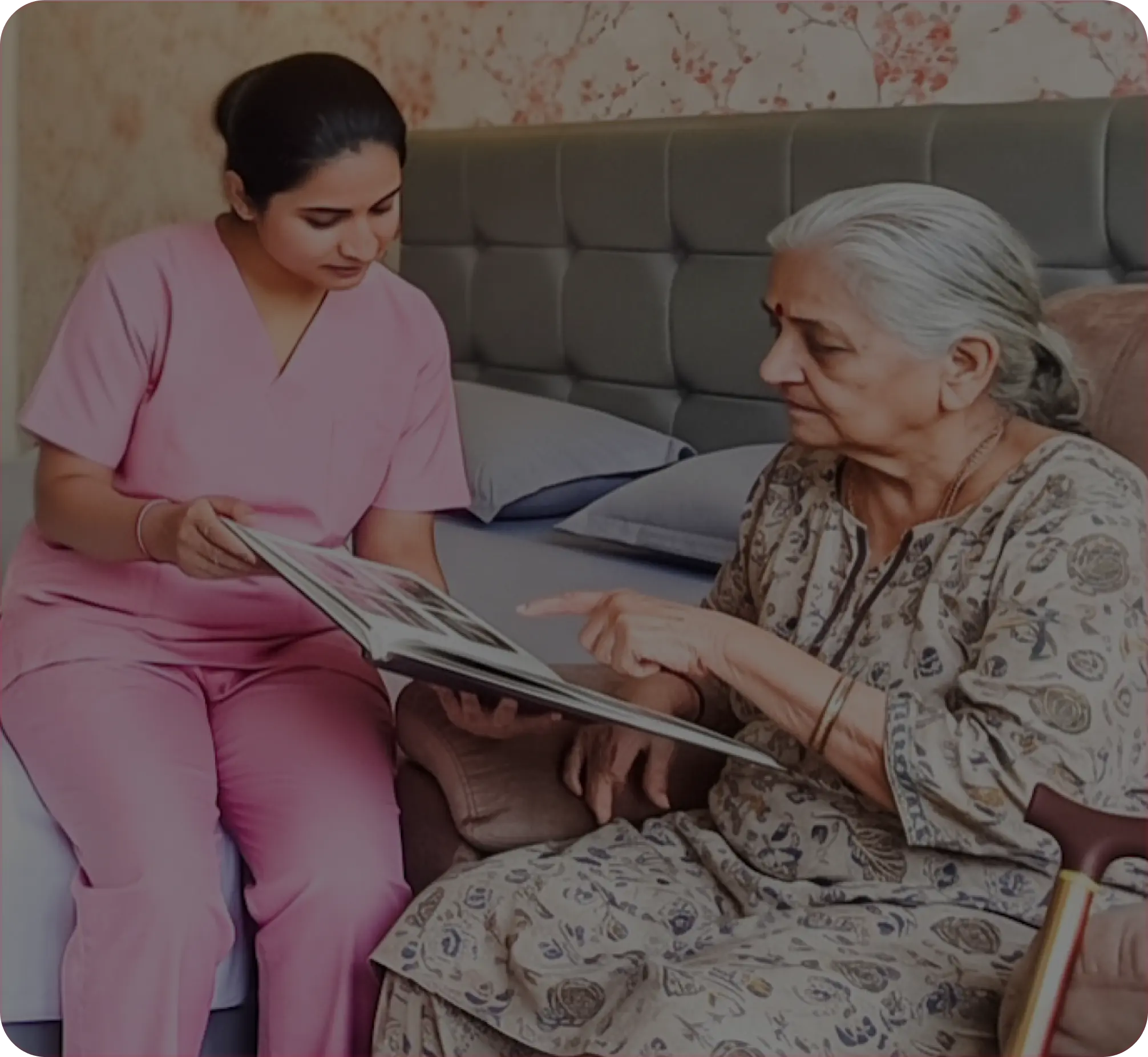
- Reminiscence therapy. Looking through old photographs, keepsakes, or listening to stories from decades past draws on long-term memory that remains more intact.
- Sensory engagement. Familiar scents (baking bread, a particular perfume), textures (a favourite blanket), or tastes can evoke comfort and recognition without requiring verbal memory.
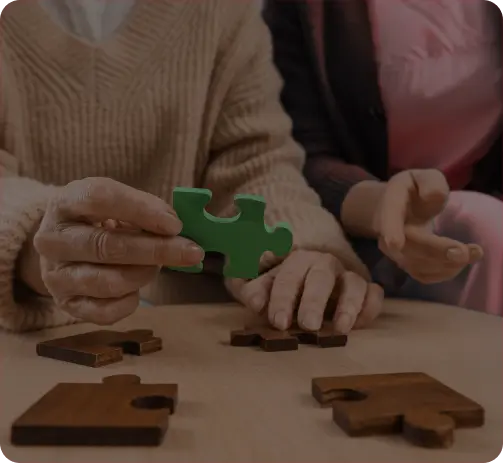
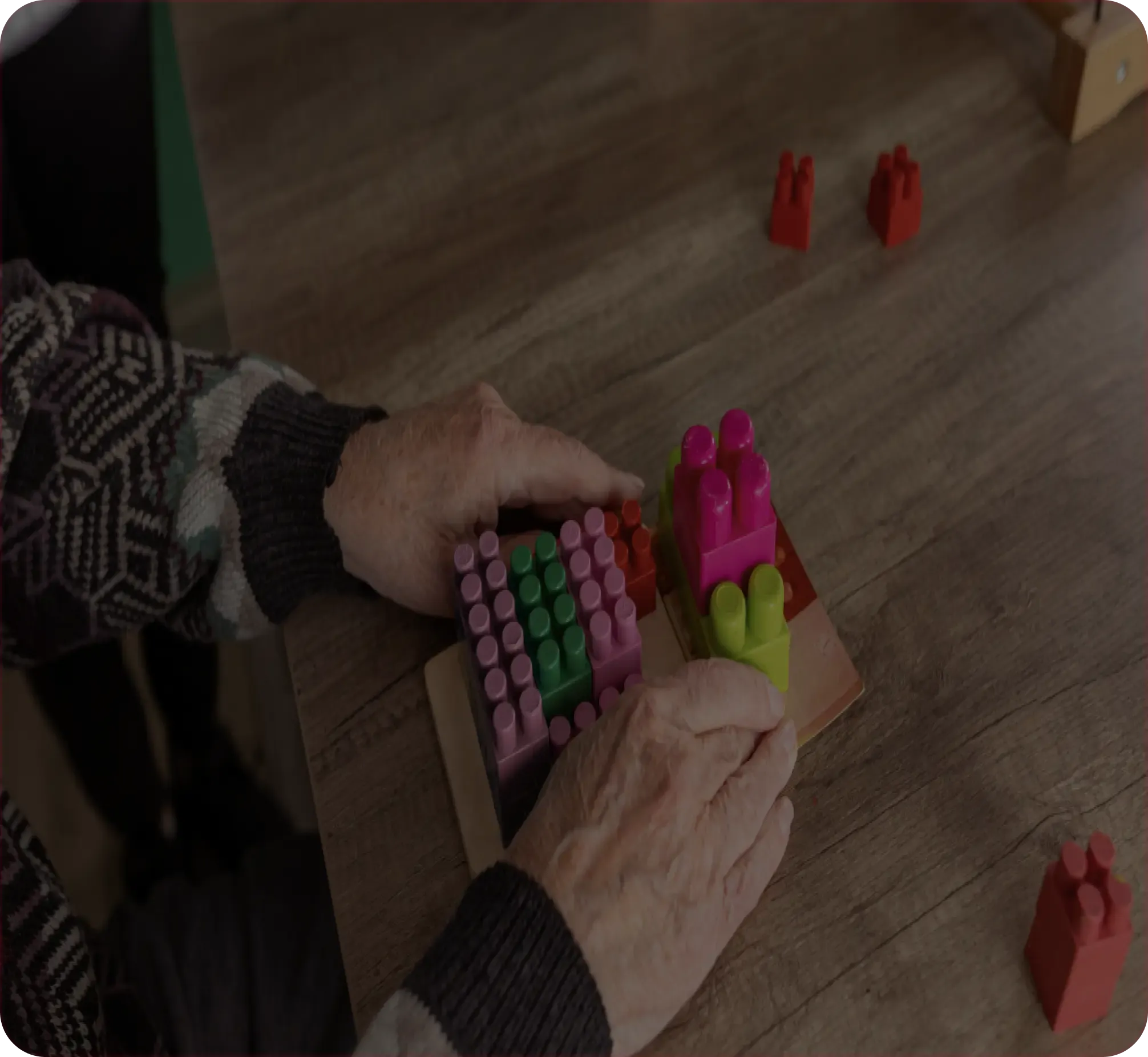
- Simple, repetitive tasks. Folding laundry, gardening, or other familiar routines can offer a sense of purpose and calm, drawing on procedural memory that often persists.
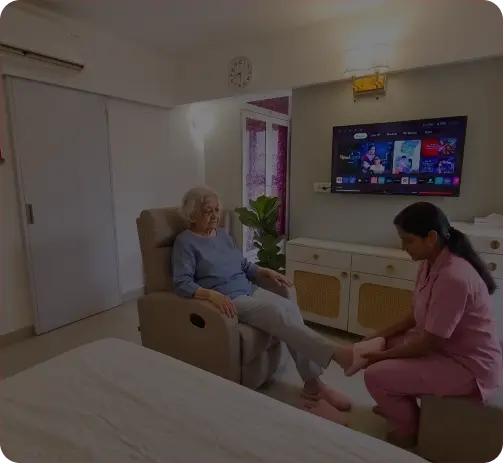
- Gentle physical touch. Holding hands or a hug can communicate love in a way words no longer can.
- A Community. A vibrant community with elders and youngsters around them can help deeply with cognitive stimulation, helping them to be more socially active and retain autonomy over social dialogues as much as possible.
What NOT to do when your loved one has dementia?
Avoiding these common mistakes helps prevent unnecessary distress and creates a calmer environment:
- Don't argue or correct: Avoid arguing over distorted facts or forgotten details. Validating their emotional reality works much better than insisting on your truth.
- Don't test their memory: Avoid asking "Do you remember me?" or quizzing them, which causes frustration, shame, and anxiety.
- Don't take outbursts personally: Mood shifts, repetition, and agitation are manifestations of the condition, not personal attacks against you.
- Don't infantilize: Avoid using baby talk or speaking about them as if they are absent while they are in the room.
- Don't overwhelm: Limit options and multi-step directions; complex instructions quickly lead to confusion and sensory overload.
Focusing on connection over correction preserves your loved one’s dignity, making daily interactions far smoother and more comforting for everyone involved.
How to build a memory castle for your loved ones with dementia?
One approach that many families and care communities have found meaningful is creating what might be called a memory castle, a physical and sensory environment built around a person's remaining, most durable memories rather than their current reality.
This might include:
- A life story book or memory box, filled with photographs, letters, and small objects from earlier decades, that caregivers or care staff can use to spark conversation and orient the person emotionally, even if not factually.
- Familiar objects placed within reach, a favourite chair, a specific type of clock, china that resembles what they grew up with, which can offer a sense of home even in unfamiliar surroundings.
- A consistent daily rhythm that echoes routines from their earlier life, such as a cup of tea at a particular time or music playing during the same part of the day.
- Personalised spaces, sometimes used in memory care settings, where a person's door or living area is decorated with images and items reflecting their own history, helping them feel oriented and safe.
The idea is not to recreate the past perfectly, but to build an environment where the person's most intact memories, the emotional and long-term ones, are given the best chance to surface, offering them, and you, moments of genuine recognition and peace.
How to redefine the bond between you and your loved one with dementia?
- Shift from recognition to connection. A relationship with someone who has dementia doesn't end when they forget your name, it simply asks to be expressed differently. Presence, warmth, and consistency become the new language of love, replacing shared history as the primary bond.
- Meet them in their emotional reality. Rather than correcting or reorienting them to "facts," step into the moment they're experiencing. If they believe it's an earlier decade or mistake you for someone else, responding with calm reassurance honours their reality without confrontation.
- Communicate through senses, not just words. Touch, music, familiar scents, and gentle eye contact often reach a person with dementia long after verbal memory fades. These become new, quieter ways of saying "I love you."
- Redefine your role as caregiver and companion. The relationship may shift from equal partnership to one of gentle guidance and protection, a change worth grieving, but not one that erases intimacy.
Ending Note
Being unrecognised by someone you love does not erase the relationship you have built. It simply asks you to express that love differently, through presence rather than recall, tone rather than facts, and patience rather than correction. In many ways, this is where caregiving becomes less about being remembered and more about making sure the person in front of you feels, even briefly, that they are safe, valued, and loved.
If you or someone you know is struggling with the emotional toll of caregiving, reaching out to a dementia support organisation, therapist, or local caregiver support group can provide both practical guidance and much-needed emotional support.