How Do I Explain a Grandparent’s Dementia to My Child?
,
Maybe it started small. Grandpa repeated the same story three times at dinner. Grandma called your daughter by your name. Now your child is asking, "Why doesn't Nana remember me?"
Maybe it started small. Grandpa repeated the same story three times at dinner. Grandma called your daughter by your name. Now your child is asking, "Why doesn't Nana remember me?"
It's one of the hardest questions a parent can face, because you're grieving too. Dementia doesn't affect only the person diagnosed. It changes routines, roles, and relationships for the whole family, and children often feel these shifts most quietly. The good news is that children are far more resilient than we assume, especially when someone is honest, calm, and kind with them. This guide walks you through what to say, how to say it, and how to keep your children emotionally and physically safe.
Dementia is not a single condition and not a normal part of aging. It is an umbrella term for conditions, such as Alzheimer's, that damage brain cells and gradually affect memory, thinking, communication, mood, and behavior. Before you explain it to your child, it helps to be clear on the basics yourself.
Think of it as a foundation for your conversations. The clearer you are, the easier it becomes to translate this into words your child understands.
Children process illness very differently depending on their age. The best approach is honest, simple, and repeated often, because one big talk is never enough. Expect questions to come back in waves.
Little ones think in concrete, magical terms, so keep it short and visual. Avoid vague phrases like "Grandpa is tired" or "Grandma is confused," which can leave them puzzled or worried.
Young children often need repetition and comfort more than detail. A hug after the explanation matters as much as the words.
This age group can understand cause and effect, so they can handle a slightly deeper explanation. They may also feel embarrassed, angry, or frightened without saying so, especially if the grandparent behaves unpredictably in public or in front of friends.
At this age, being taken seriously is powerful. When adults are honest, pre-teens tend to respond with surprising maturity and compassion.
Teens can understand the medical picture, including how different types of dementia work, what treatments can and cannot do, and what the future may look like. They also carry a lot: school pressure, identity, friendships, and now family stress. Some may withdraw, act indifferent, or take on too much responsibility.
Teens want to be treated as capable, but they are still young. They need support as much as they need information.
One of the biggest sources of confusion for children is the change in a grandparent's behavior. The person who once told bedtime stories may now seem irritable, suspicious, or distant. Helping children see that behavior is a symptom, not a choice, changes everything.
The golden rule to teach your child is "Join their world, don't fight it." Correcting or arguing usually causes distress, while gentle reassurance and redirection build peace for everyone.
Even as memory slips, emotion remains. Research and caregiving experience consistently show that people living with dementia can still feel warmth, safety, and joy long after they can't recall names or facts. A grandchild's laughter, a familiar song, or the touch of a hand can still land deep in the heart.
Tell your child this plainly: "Even if Grandma forgets your name, her heart still knows you." It may be the most comforting thing they ever hear during this journey.
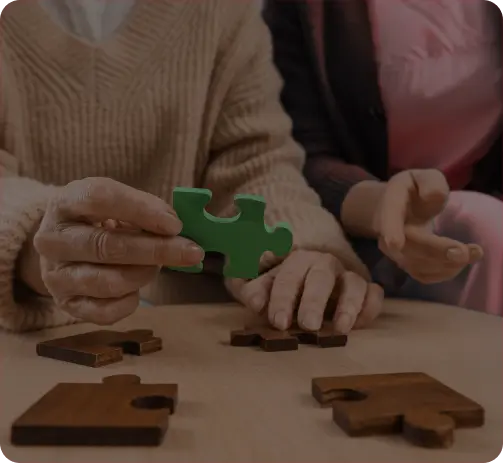
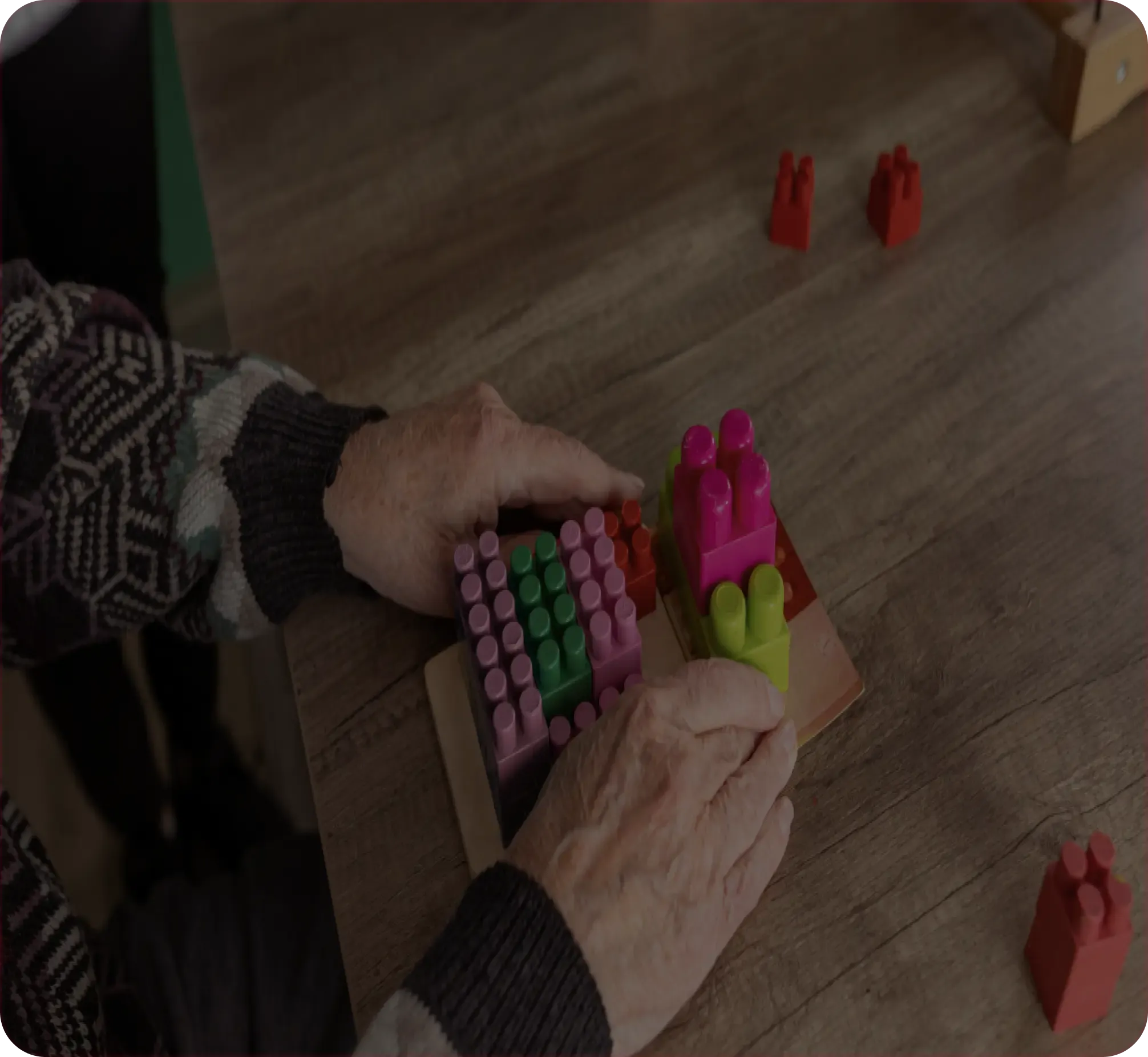
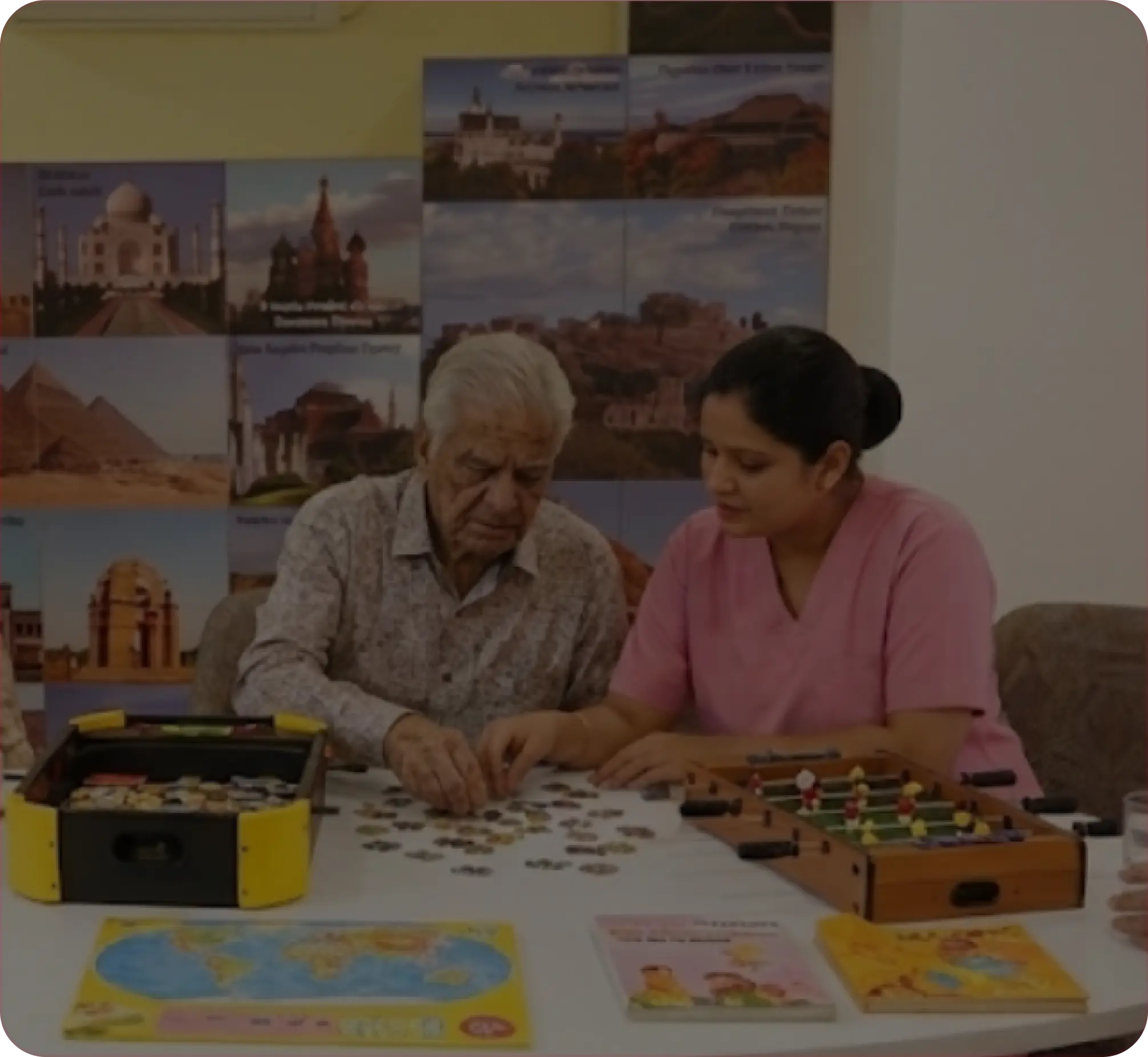
Children are often desperate to do something, anything, that helps. Give them that chance. Small, meaningful activities can bring joy to the grandparent and help the child feel connected, useful, and less helpless. They can also offer real cognitive, sensory, and motor stimulation for your loved ones with dementia.
These moments do more than stimulate the grandparent. They help children feel closer to them, turning fear and confusion into connection. Keep sessions short, keep them pressure-free, and follow the grandparent's mood. If they're tired or upset, it's perfectly fine to stop.
Dementia can sometimes bring behaviors that are hard to manage, including agitation, aggression, yelling, or paranoia. Children need to know these behaviors come from the illness, not from the person's true self, and they also need to know when to seek help.
Teach children how to respond calmly:
Adults should step in when:
Don't overlook the medical side. Sudden changes in behavior can be triggered by pain, infections (like urinary tract infections), poor sleep, medication side effects, hunger, or an overstimulating environment. It is always worth talking to the grandparent's doctor, because treating the cause can dramatically ease the behavior.
Children should never be left responsible for handling difficult moments alone. Tell them clearly: "If Grandpa gets upset, you don't have to fix it. Come and get a grown-up."
This is a tender subject, and it is one families often avoid. In some cases of dementia, confusion, fear, and frustration can lead to behavior that is physically dangerous, such as hitting, pushing, grabbing, or throwing objects. The grandparent isn't a "bad" person. They are frightened and unwell. But protecting your child, and your parent, is your responsibility as a family.
Protecting your child does not mean you love your parent any less. Safety and love can coexist, and choosing both is one of the most compassionate decisions a family can make.
Dementia will change your family in ways you didn't plan for. There will be tender moments and painful ones, and days when you wonder if you're saying or doing the right thing. But your child doesn't need perfect answers. They need honesty, patience, and a parent who says, "We'll face this together."
Explain gently. Encourage connection. Protect fiercely. And remind your child, again and again, that the love between a grandchild and grandparent doesn't live in memory alone. It lives in every smile, every song, every story read aloud, and it lasts.
At what age can I tell my child about dementia?
As soon as they notice changes. Even preschoolers can understand a simple, honest explanation. Adjust the detail to their age, and revisit the conversation as they grow.
Should I hide the diagnosis from my child?
No. Children usually sense that something is wrong, and silence can make them imagine worse. Honest, age-appropriate explanations build trust and reduce fear.
Is it okay for my child to feel sad, angry, or embarrassed?
Yes. All of these feelings are normal. Let your child express them without judgment, and remind them that feeling this way doesn't make them a bad grandchild.
Can my child still visit if the grandparent doesn't recognize them?
Yes, in most cases. Visits can be short, calm, and full of simple activities. Emotional connection continues even when recognition fades, as long as the visit is safe.
What if my grandparent becomes aggressive?
Prioritize safety. Calmly step away, supervise all interactions, and speak to the doctor, since underlying causes like pain, infection, or medication can often be treated.
Where can families find support?
Doctors, dementia care counselors, and local caregiver support groups are good starting points. In India, organizations such as the Alzheimer's and Related Disorders Society of India (ARDSI) offer information and support for families.
Check out some of our Blogs!