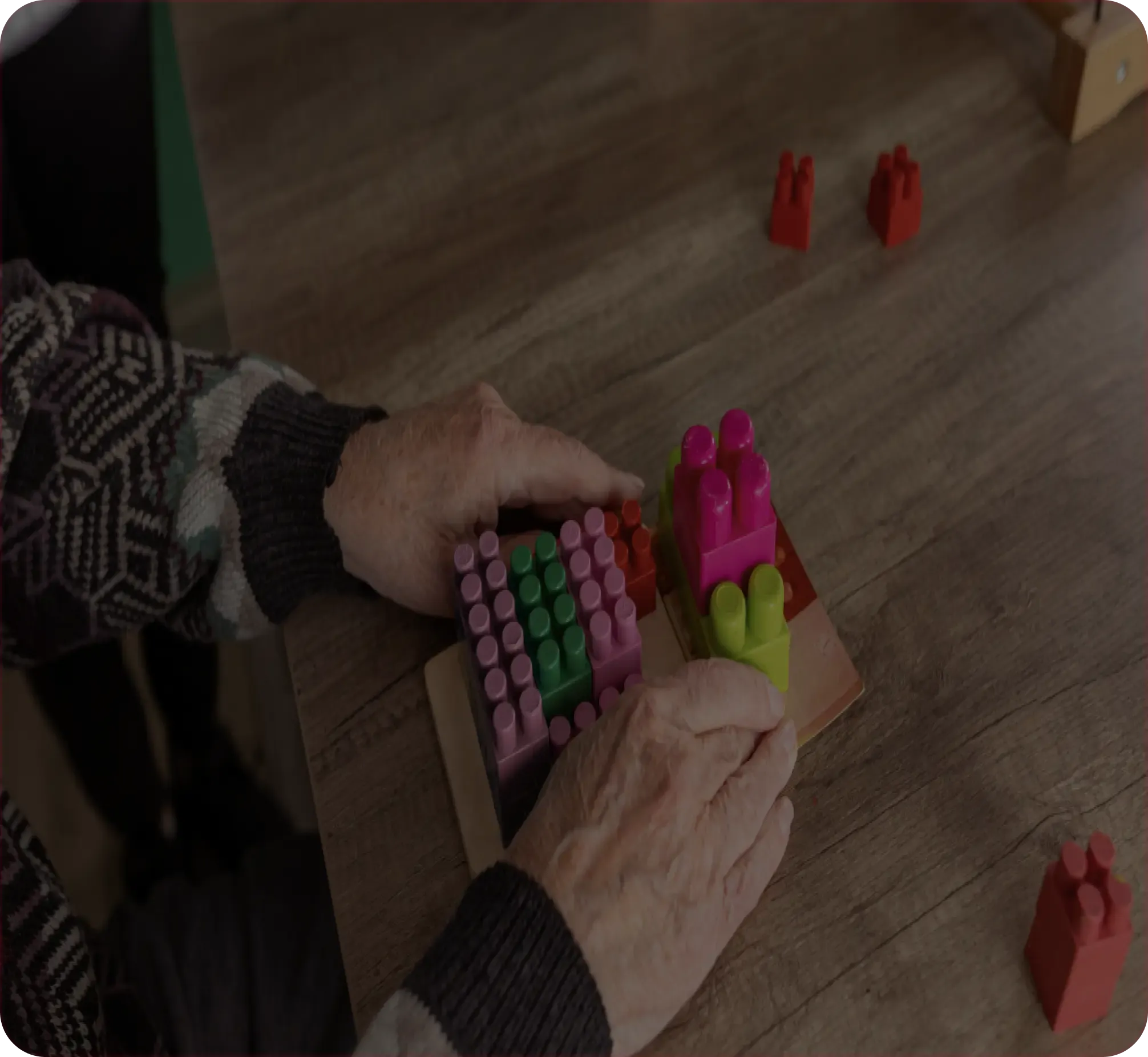
As daylight fades, something shifts in many people living with dementia. Confusion deepens, anxiety rises, and behaviors that seemed manageable in the morning suddenly become hard to handle. This late-day pattern is known as sundowning, and it affects a large share of families caring for a loved one with dementia. Understanding what it is, how to spot it, and how to respond can make evenings calmer for everyone involved.
What Is Sundowning?
Sundowning, also called sundown syndrome, refers to a pattern of increased confusion, agitation, restlessness, or mood changes that occurs in the late afternoon and evening in people with Alzheimer's disease or other forms of dementia. The name comes directly from its timing, symptoms tend to appear "around sundown" and can last into the night.
It isn't a separate disease. It's a symptom cluster tied to the way dementia affects the brain's internal clock, sensory processing, and ability to cope with fatigue. This is a major reason families often notice dementia getting worse at night, even when the person seems relatively stable during the day.
Common signs of sundowning include:
- Increased confusion or disorientation as evening approaches
- Restlessness, pacing, or an urge to "go home" even when already home
- Irritability, agitation, or sudden mood swings
- Anxiety, fear, or suspicion toward caregivers
- Difficulty sleeping or resistance to bedtime routines
- Hallucinations or increased paranoia in some cases
Are There Different Types of Sundowning Symptoms?
Not every person experiences sundowning the same way, and recognizing the type can shape the right response. Broadly, symptoms fall into a few categories:
- Agitation-driven sundowning Marked by pacing, fidgeting, verbal outbursts, or physical restlessness. This type often responds well to calming routines and reduced stimulation.
- Anxiety and fear-based sundowning The person may become clingy, fearful, or convinced something is wrong. Reassurance, familiar objects, and a steady caregiver presence tend to help most here.
- Confusion and disorientation type This includes forgetting where they are, mistaking family members for strangers, or losing track of time. Consistent lighting and simple verbal cues work better than long explanations.
- Sleep-disruption sundowning Some individuals show little daytime agitation but struggle heavily with falling or staying asleep, which then worsens next-day symptoms. This type often needs attention to sleep hygiene and daily light exposure.
Because these patterns can overlap, caregivers benefit from tracking which symptoms show up most consistently, this becomes valuable information for doctors managing evening agitation in dementia.
How to Identify Sundowning Symptoms in a Loved One
Recognizing sundowning early makes it easier to manage. A few practical ways to identify it:
- Track timing. Keep a simple log noting when symptoms start and end. A consistent late-afternoon or evening pattern is the clearest sign.
- Watch for triggers. Hunger, fatigue, low lighting, or a noisy environment can intensify symptoms.
- Notice behavior shifts. Compare morning behavior to evening behavior over several days rather than judging from a single incident.
- Look for physical cues. Increased pacing, hand-wringing, or verbal repetition often precede more intense agitation.
This kind of observation isn't just useful for caregivers, it gives healthcare providers concrete details to work with when discussing how to manage sundowning effectively.
How to Help Someone Experiencing Sundowning
While there's no single fix, several strategies consistently ease symptoms:
- Stick to a routine. Predictable meal times, activities, and bedtime routines reduce uncertainty, which is often at the root of agitation.
- Maximize daylight exposure. Natural light during the day helps regulate the body's internal clock and can reduce evening confusion.
- Limit stimulation in the evening. Dim harsh lighting gradually, lower noise levels, and avoid overstimulating activities like loud TV.
- Watch diet and timing. Limiting caffeine and heavy meals late in the day can reduce restlessness at night.
- Stay calm and reassuring. Anxiety is contagious, a calm, steady voice and simple, short sentences work better than arguing or correcting.
- Encourage daytime activity. Light exercise or engagement earlier in the day can reduce restlessness later on.
- Use nightlights. Reducing shadows and unfamiliar shapes can ease confusion and fear after dark.
When Do They Need Professional Help?
Not every case of sundowning requires immediate medical intervention, but certain signs suggest it's time to involve a healthcare professional:
- Symptoms escalate to aggression or pose a safety risk to the person or caregiver
- Sleep disruption becomes severe and persistent
- The person shows signs of significant distress, hallucinations, or paranoia
- Home-based strategies no longer help, despite consistent effort
- Caregiver burnout is affecting the ability to provide safe care
A doctor can rule out other contributing factors, such as urinary tract infections, medication side effects, or untreated pain, that frequently worsen sundowning symptoms and are sometimes mistaken for dementia progression alone.
How Professional Care Helps with Sundowning
Professional dementia care brings structure and expertise that's hard to replicate at home alone. This can include:
- Medical evaluation to identify and treat underlying causes contributing to evening symptoms
- Behavioral therapy approaches tailored to the specific type of sundowning a person experiences
- Structured daily routines in memory care settings designed specifically around dementia-friendly schedules
- Trained staff who recognize early warning signs and de-escalate agitation safely
- Respite support for family caregivers, reducing burnout that can otherwise intensify household stress in the evenings
- Medication management, when appropriate, under a physician's guidance to address severe anxiety or sleep disturbance
For many families, professional support doesn't replace home caregiving, it strengthens it, offering guidance, backup, and relief during the most demanding hours of the day.
Key Takeaway
Sundowning is a real, well-documented pattern in dementia care, not a sign that a loved one is "getting worse" in a permanent sense. With consistent routines, environmental adjustments, and the right professional support when needed, evenings can become far more manageable, for the person living with dementia and for the family caring for them.