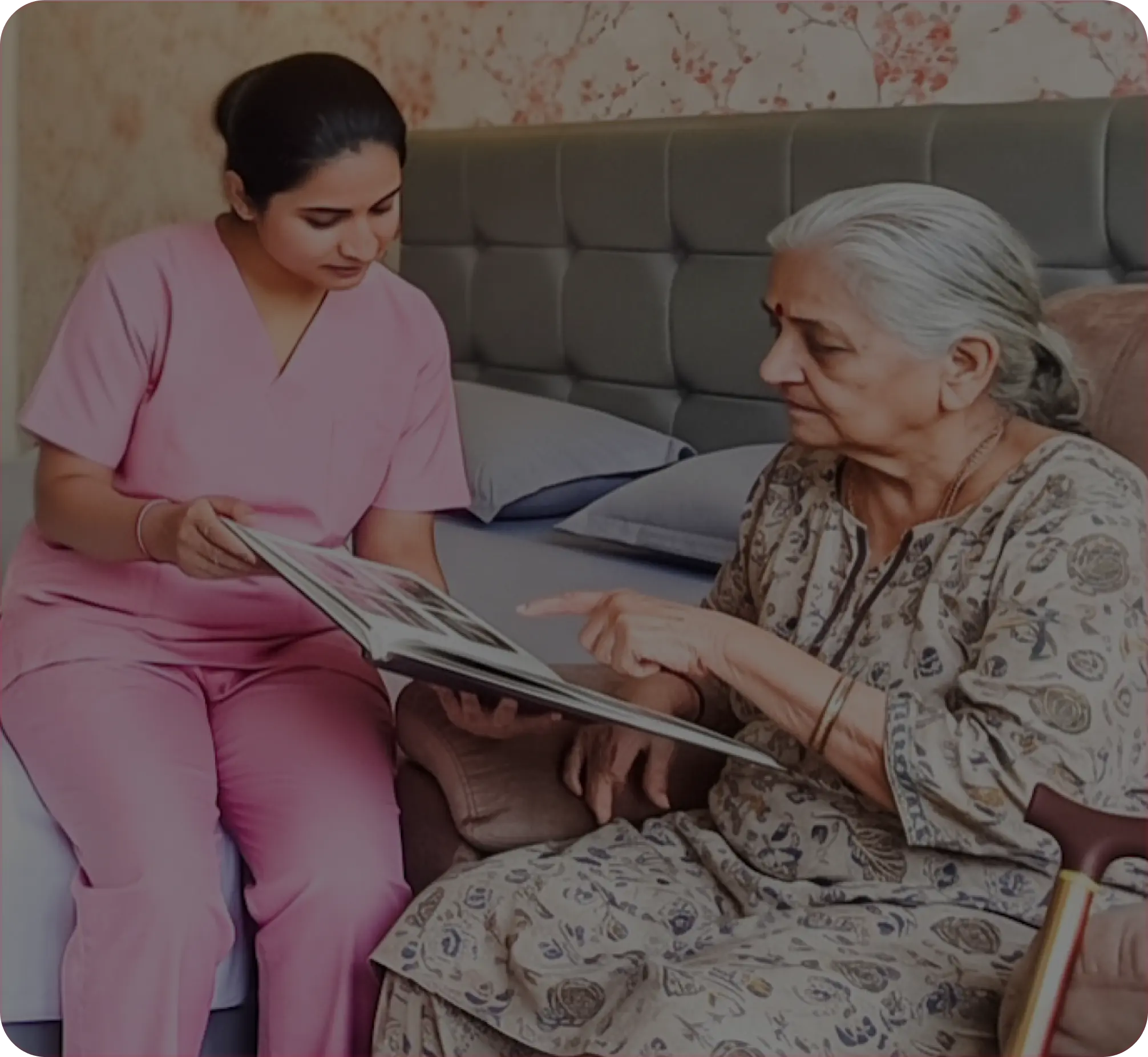
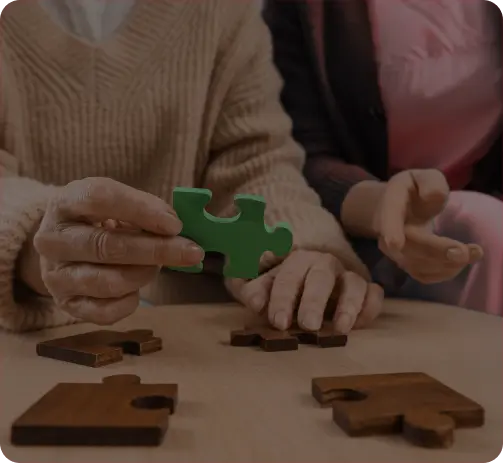
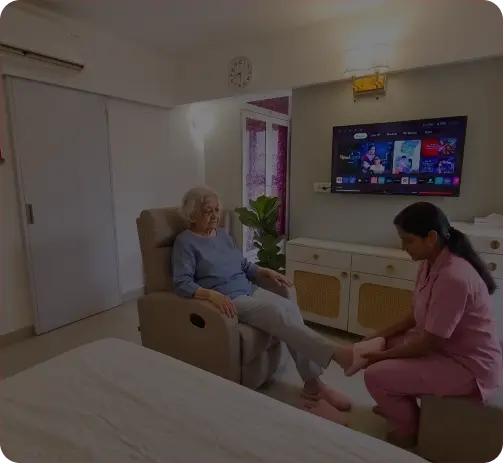
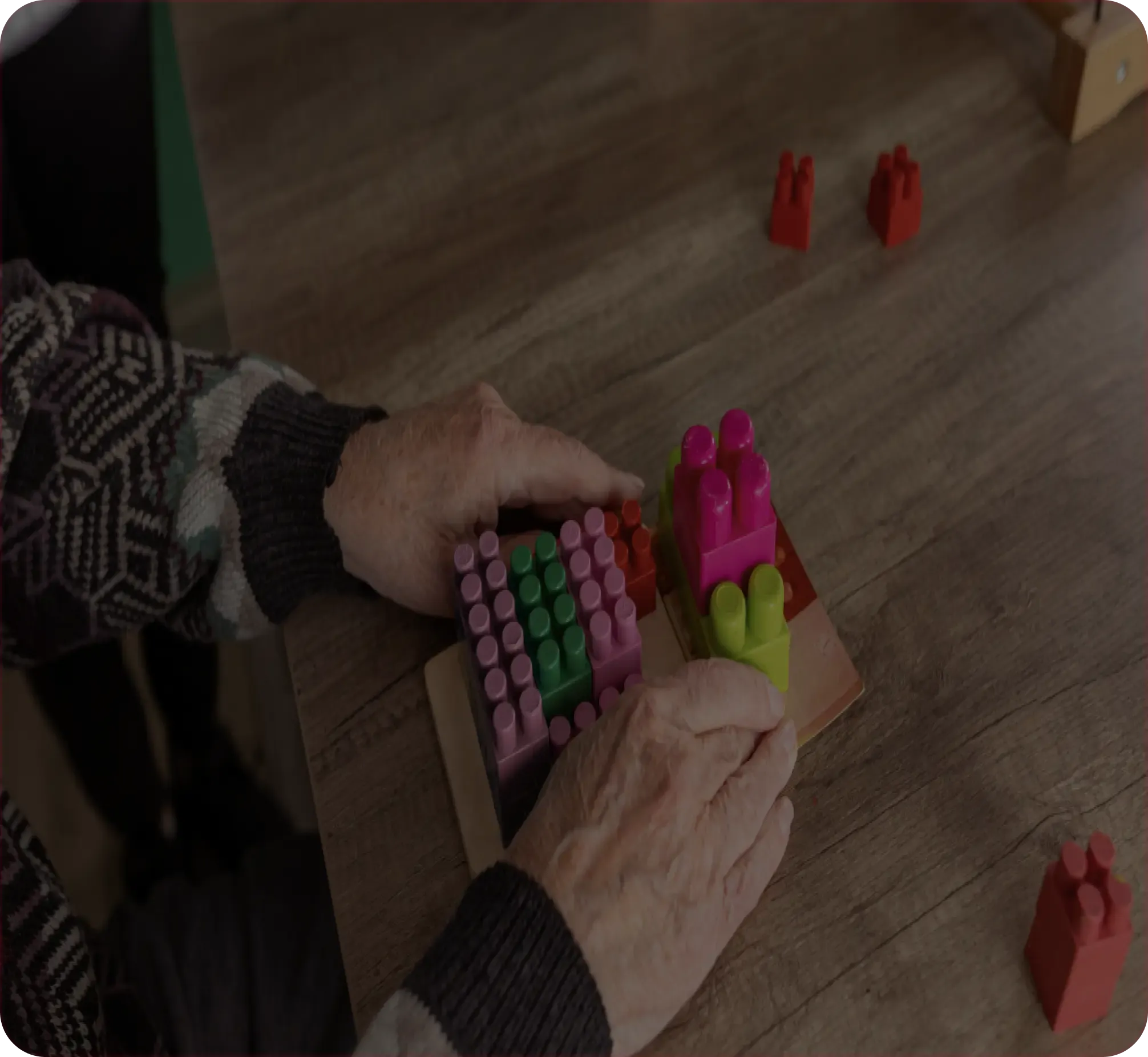
Across India, a growing number of adults find themselves managing two full-time responsibilities at once: raising children and caring for elderly loved ones, often loved ones living with dementia. This group is now widely referred to as the sandwich generation India is seeing expand rapidly, caught between competing demands with little institutional support to fall back on. The pressure this creates is significant. Caregivers in this position are required to be available across multiple fronts simultaneously, with limited time or energy left over for any one responsibility to receive the attention it needs.
Why balancing caregiving and work can be overwhelming?
A few forces have converged to make this moment particularly hard:
- Shrinking family support systems. Nuclear families have become the norm in urban India, and with them, the built-in support of joint families, aunts, uncles, and cousins sharing caregiving duties, has largely disappeared.
- Rising life expectancy. As people live longer, the prevalence of age-related cognitive conditions has increased alongside it.
- The long, unpredictable nature of dementia. Unlike many other illnesses, dementia is slow-moving and unpredictable, often stretching caregiving demands over many years rather than months.
- The demands of a modern career. Long hours, hybrid schedules, and constant performance pressure leave little room to absorb additional responsibilities.
Together, these factors create a perfect storm. Balancing work and caregiving isn't a scheduling inconvenience anymore; for many, it's a full-time second job layered on top of a first one.
How caring for a loved one with dementia can be different from other forms of elder care?
Caring for a parent with dementia differs from other forms of eldercare in important ways:
- Complex, evolving symptoms. It involves managing memory loss, personality changes, disorientation, and at times agitation or aggression.
- Ambiguous loss. Alongside the physical caregiving is the emotional experience of watching a parent become increasingly unfamiliar even as they remain physically present. This is one of the most under-discussed aspects of dementia caregiver stress, and it tends to accumulate gradually over years rather than resolve.
- Day-to-day unpredictability. A parent who is calm one day may be anxious or confused the next, frequently disrupting plans and routines.
- Fragmented sleep. Nighttime wandering or confusion is common, often affecting the caregiver's own rest as much as the parent's.
Sustained over time, this low-grade, ongoing strain takes a measurable toll on physical health, mental wellbeing, and relationships both at home and at work.
What does it mean to achieve this balance between caregiving and work?
Working caregiver stress tends to manifest in familiar but often unspoken ways:
- Missed deadlines caused by competing, unpredictable demands at home. A sudden hospital visit, a difficult morning, or a caregiver falling ill can derail an entire day's plans with little warning, making consistent output difficult to guarantee.
- Declined opportunities for advancement due to limited availability for longer hours or travel. Roles that require frequent relocation, extended work trips, or unpredictable late hours often become unworkable, even for otherwise high-performing employees.
- A persistent sense of divided attention, whether at work or at home. Caregivers frequently describe being physically present in one place while mentally tracking the other, checking on a parent during a meeting, or responding to work messages during a caregiving task, which erodes focus and increases fatigue over time.
- Scaled-back professional ambitions, not due to a lack of capability, but because existing demands leave little room for additional commitments. Many caregivers quietly step back from stretch assignments, leadership tracks, or further studies, not because they lack the drive, but because their bandwidth is already fully committed elsewhere.
- Impact on family dynamics, Caregiving reshapes family dynamics well beyond the caregiver. Often, one partner absorbs most of the extra childcare or household duties to compensate, which can strain the relationship if the imbalance goes unacknowledged. Children may get less attention or be pulled into helping roles earlier than expected. Siblings sharing care for an aging parent can experience friction when the load falls unevenly on one person, even with good intentions all around.
- A shifting sense of identity within the family. Adult children in caregiving roles sometimes find their relationship with their parents changing shape, moving from child to decision-maker, or even to a parent-like role for their own parent. This reversal can be emotionally disorienting, and it often goes unacknowledged even as it reshapes how the whole family relates to one another.
These patterns often go unspoken because caregiving responsibilities are rarely discussed. Achieving genuine caregiver work life balance rarely means an even split of hours between responsibilities. More realistically, it involves making deliberate choices about where limited time and energy are directed, and accepting that priorities may shift from week to week. Some weeks, work may need to take precedence; in others, caregiving needs will understandably come first. Recognising this fluidity, rather than striving for a fixed, equal balance, tends to reduce the guilt and self-criticism that often accompany this stage of life.
How to ensure your wellbeing while caring for your loved one with dementia?
Sustainable caregiving isn't about heroic endurance, it's about building systems that protect you as much as they protect your loved ones. A few shifts can help:
- Redefine "help" as a resource, not a failure. Whether it's a part-time attendant, a daycare program for dementia patients, or a trusted neighbour who checks in during the day, outsourcing tasks doesn't mean you love your loved ones any less. It means you're playing a long game.
- Talk to your employer early. Flexible hours, remote work days, or a temporary shift in responsibilities can ease pressure without derailing your career. Most managers respond better to a proactive conversation than to unexplained underperformance.
- Protect small pockets of your own time. Ten minutes of quiet, a short walk, a proper meal, these aren't luxuries. Caregivers who neglect their own physical and emotional health typically burn out faster and become less effective caregivers as a result.
- Involve your children appropriately. Age-appropriate honesty about what loved ones are going through can reduce confusion and even build empathy, rather than shielding them completely.
- Seek community. Support groups, online or in person, for families dealing with dementia can reduce the isolation that makes everything feel heavier than it needs to be.
- Consider professional support for yourself. Therapy or counselling isn't just for the person being cared for. Caregivers carry real psychological weight, and processing it with support is not indulgent, it's necessary maintenance.
A Final Thought
There is no formula that perfectly balances a career, a child's upbringing, and a loved ones's declining health. There is, however, a more sustainable approach, one that treats caregiver wellbeing as integral to the caregiving process, rather than secondary to it. For India's sandwich generation, holistic wellbeing is less about managing every responsibility flawlessly and more about maintaining the physical and emotional capacity to continue showing up, consistently, for everyone who depends on them.