Caring for a loved one with dementia is a journey filled with both love and challenges. It’s a condition that not only affects memory but also impacts a person’s ability to carry out daily activities, communicate, and engage with the world around them. For families, the emotional and physical toll of caregiving can be overwhelming, making specialized dementia care facilities a vital resource. In India, the landscape of dementia care has evolved significantly, offering various support options to ensure dignity, comfort, and quality of life for those living with the condition.
Why Professional Dementia Care Is Essential
Dementia is a progressive condition, meaning the level of care required changes over time. Initially, families may be able to manage with minor support, but as the condition advances, professional care becomes essential. Factors like agitation, wandering, sleep disturbances, and difficulty with personal care can become difficult for families to handle alone. Moreover, caregiving is emotionally and physically taxing. Many family caregivers experience burnout, guilt, and stress while juggling work and personal responsibilities. Access to professional dementia care ensures not just better support for the individual, but also respite and guidance for families navigating this journey.
Different Dementia Care Options
India has seen a growing number of specialized dementia care services over the years. Depending on the stage of dementia and the family's needs, different care models are available.
-
Residential Dementia Care Homes
These facilities provide 24/7 professional supervision, nursing care, structured activities, and assistance with daily living, ideal for individuals in moderate to advanced stages of dementia.
-
Dementia Daycare Centers
Daycare centers offer daytime programs with cognitive activities and social interaction for those in early to moderate stages, also providing respite for family caregivers.
-
Dementia Care at Home
Trained professionals visit homes to provide care, companionship, and medical support, beneficial in the early stages when individuals are comfortable in familiar surroundings.
-
Dementia Care Supervision
Specialists guide family caregivers in managing behaviors and routines, allowing continued home care with expert support.
-
Tele-counseling & Online Support
Virtual counseling services offer expert advice and emotional support, especially useful for families in remote areas.
Choosing the Right Dementia Care Facility
Dementia care facilities provide a structured, safe, and compassionate environment tailored to the needs of those with cognitive decline. When selecting a dementia care facility, it's essential to consider several key factors to ensure your loved one receives comprehensive and compassionate care:
Expertise in Dementia Care
Ensure the facility employs trained caregivers and dementia specialists adept at managing the unique challenges associated with dementia. Inquire about staff training programs and their experience in handling various stages of the condition.
Personalized Approach
Look for a facility that tailors its care plans to each resident's personal history, preferences, and current stage of dementia. This individualized care can significantly enhance the resident's comfort and engagement.
Engagement and Quality of Life
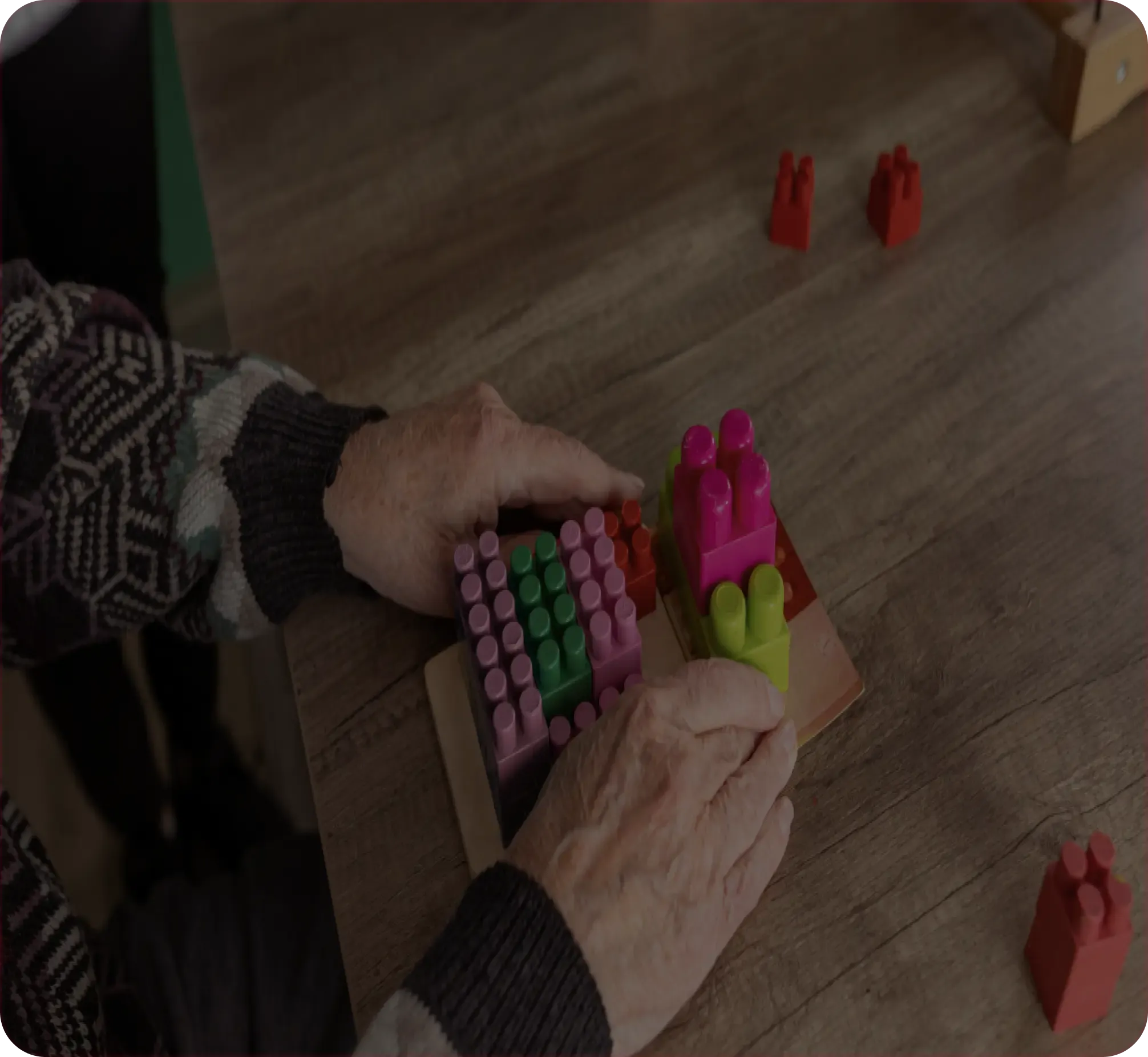
The availability of structured activities is vital. Facilities should offer programs like music therapy, art classes, and memory games designed to promote cognitive stimulation, emotional well-being, and social interaction. Regular engagement in such activities can improve residents' quality of life.
Safety and Environment
A dementia-friendly environment is essential. This includes secure premises to prevent wandering, clear signage for easy navigation, and emergency protocols to handle unforeseen situations. The physical layout should support safety while promoting independence.
Dementia-Friendly Infrastructure
When selecting a dementia care facility, it's crucial to assess the environment to ensure it meets the unique needs of residents with cognitive impairments. Look for ample natural lighting, as sunlight helps regulate circadian rhythms and enhances mood. Clear, easy-to-read signage aids navigation and reduces confusion. Non-slip flooring materials enhance safety by preventing falls. Safe, circular pathways allow residents to move freely without encountering dead ends, reducing agitation. A warm, homely atmosphere fosters comfort and ease, making the environment more inviting and supportive.
Family Involvement and Transparency
Open communication between the facility and family members is crucial. Regular updates on your loved one's condition, involvement in care planning, and opportunities for family participation in activities can help maintain a strong connection and ensure that care aligns with family expectations.
Adherence to the Norms
Verify that the facility adheres to the rules and regulations set by relevant authorities, indicating adherence to established standards of care. This ensures the facility meets specific criteria for safety and quality.
Staffing Ratios and Turnover
Assess the staff-to-resident ratio to ensure adequate personalized attention. High staff turnover can disrupt continuity of care, so inquire about staff stability and satisfaction.
Health and Medical Services
Confirm that the facility provides comprehensive medical services, including medication management, regular health assessments, and access to healthcare professionals. This is vital for managing coexisting health conditions.
End-Of-Life Care
Discuss the facility's policies on end-of-life care to ensure they align with your family's wishes and provide comfort and dignity during the final stages of life.
To ensure your loved one receives compassionate, comprehensive, and personalized care in a supportive environment, it's essential to evaluate potential dementia care facilities thoroughly. Begin by visiting each facility to observe the environment and assess cleanliness, safety measures, and overall atmosphere. Engage in conversations with the care staff to understand their training, experience, and approach to managing residents with dementia. Inquire about their strategies for handling challenging behaviors and promoting cognitive stimulation. Additionally, speaking with current residents' families can provide valuable insights into the quality of care and the facility's responsiveness to concerns. This comprehensive approach will help you make an informed decision, ensuring your loved one thrives in their new home.
The Future of Dementia Care in India
India is witnessing a shift in the way dementia care is perceived. Awareness is growing, and with it, the availability of specialized care options. While the journey of dementia can be unpredictable, the right care and support can make a profound difference. Whether through a residential home, daycare, home care, or supervision services, ensuring a structured, compassionate approach to dementia care is key to enhancing the quality of life for both individuals and their families.
If you or someone you know is navigating the challenges of dementia care, know that you are not alone. Exploring the right care options can bring comfort, reassurance, and dignity to those affected by dementia.