Palliative care is, at its core, about comfort - meeting pain and distress with skilled, compassionate attention, whatever the diagnosis. Yet it remains one of the most misunderstood terms in healthcare, often spoken of quietly or avoided altogether because of the assumptions people carry about it. This guide is meant to offer a clearer, more honest understanding of what palliative care truly is, why it matters, and why every family should know about it - well before the moment they actually need it.
But to understand what palliative care is, we first need to address what it is not.
Palliative Care Is Not Hospice Care
These two terms are often used in the same breath, and it's easy to see why - both centre on comfort, both draw on medical and non-medical ways of easing distress, and both put quality of life above aggressive intervention. But they are not the same thing, and understanding the difference can change how - and when - a family chooses to ask for help.
The key distinctions:
- Timing: Hospice care is typically for the final phase of a life-limiting illness, usually when a doctor estimates six months or less to live. Palliative care can begin at any stage of a serious illness, sometimes for years.
- Treatment: Hospice care begins once curative treatment has stopped. Palliative care can run alongside active treatment - chemotherapy, dialysis, surgery - with no need to give up hope of recovery.
- Scope: Hospice care is one part of palliative care, specifically for end-of-life. Palliative care itself is broader and far more flexible, built to support a person through any stage of serious illness.
In other words, choosing palliative care is not the same as giving up on treatment, and it's not an admission that time is running out. It's simply a decision to make sure comfort, dignity, and quality of life are cared for alongside everything else - starting the moment they're needed, not just at the end.
So, What Is Palliative Care?
Palliative care is specialised medical and emotional support for people living with a serious illness - advanced heart disease, cancer, dementia, Parkinson's, among others. Its purpose is simple, but far from small: to ease pain, manage symptoms, and lighten the weight of stress that comes with illness, regardless of the diagnosis. It looks at the whole person, not just the body - because no illness exists apart from the fear, exhaustion, and uncertainty that often come with it.
What palliative care focuses on:
- The whole person: Physical, emotional, social, and spiritual wellbeing are addressed together, not treated as separate concerns.
- Both patient and family: The goal is a better quality of life not just for the person who is ill, but for the family walking this path alongside them.
- A team-based approach: Doctors, nurses, counsellors, and social workers work together, bringing different kinds of support to a single person's care.
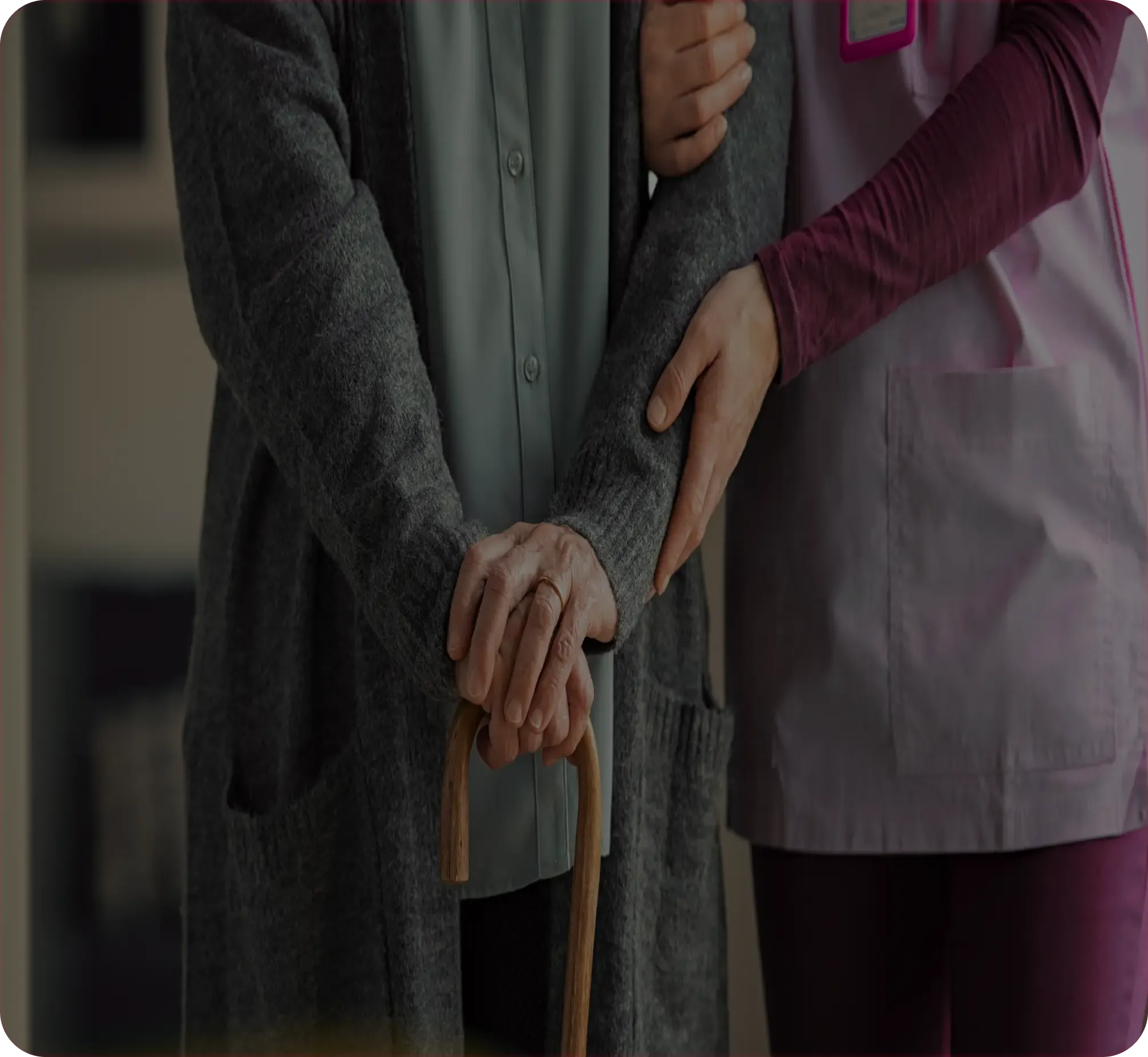
Importantly, this team doesn't replace a person's existing doctors - it works alongside them. Palliative care simply adds another layer of support, so that no one has to carry the physical or emotional load of serious illness alone.
What Does Palliative Care Consist Of?
Palliative care isn't one single service - it's a coordinated combination of support, built around every part of a person's wellbeing, not just their medical needs. For families navigating a serious condition, it helps to know exactly what this support can look like, so you know what to ask for and when to lean on it.
- Pain and symptom management
This is often where palliative care begins - using medication and other therapies to bring pain, nausea, breathlessness, and fatigue under control. The goal isn't just to treat symptoms as they arise, but to stay ahead of them, so your loved one spends fewer days in discomfort and more days feeling like themselves.
- Emotional and psychological support
Serious illness brings fear, grief, and anxiety - not just for the patient, but for everyone around them. Counselling and emotional support are built into palliative care for exactly this reason, giving both patients and families a safe space to process what they're going through, rather than carrying it silently.
- Social support
Illness rarely stays confined to the hospital room - it reshapes finances, routines, and roles within a household. Palliative care teams help families work through these practical shifts, so caregiving logistics don't become one more source of stress on top of everything else.
- Spiritual care
For many, illness brings up bigger questions - of meaning, faith, and peace. Spiritual care meets these questions wherever the person is, in whatever form feels right to them, with no assumptions about belief or background.
- Care coordination
When multiple specialists are involved, communication can easily fall through the cracks. Palliative care teams act as a bridge between them, keeping everyone aligned and ensuring decisions are made together, not in isolation.
- Family caregiver support
Caregivers give so much of themselves, often without pausing to ask for help. Palliative care recognises this, and ensures caregivers also receive guidance, relief, and support - because looking after someone well starts with making sure you're not running on empty yourself.
Together, these pieces form a kind of care that doesn't just treat illness - it holds the whole family through it, one part at a time.
When Should a Family Consider Palliative Care?
Many families wait too long, often thinking of palliative care only as something for the very end. In truth, it holds the most value when brought in early - giving families the time to adjust, to plan, and to make thoughtful decisions, rather than rushed ones made in a moment of crisis.
Consider palliative care when:
- A loved one has been diagnosed with a serious or chronic illness, at any stage
- Symptoms like pain, breathlessness, fatigue, or nausea are making daily life harder
- Treatment decisions feel overwhelming, and the family needs help navigating what comes next
- The emotional weight of caregiving is becoming difficult to carry alone
- Care is spread across multiple doctors or specialists, and coordination is falling through the cracks
- Quality of life has become just as important to the family as the illness itself
There's no "right" moment to begin this conversation - only a right one for each family. But starting sooner rather than later often means less scrambling later, and more time simply spent together, with less weight on everyone's shoulders.
Why Is Palliative Care Important, and What Situations Lead to It?
Palliative care becomes important the moment a serious illness begins affecting a person's daily comfort, independence, or peace of mind - not only when a prognosis turns terminal. Too often, families wait for a specific, dire moment to ask for this kind of support, when in truth, the need is usually there much earlier, quietly, in the small ways illness starts changing a person's day-to-day life.
Conditions that commonly lead families toward palliative care include:
- Advanced dementia
- Parkinson's disease
- Congestive heart failure
- Chronic obstructive pulmonary disease (COPD)
- Kidney failure
- Various forms of cancer
Each of these illnesses progresses in its own way, at its own pace, and no two families experience it quite the same. But underneath these differences, the need is the same - managing symptoms with real skill and care, supporting emotional wellbeing alongside physical health, and making sure that whatever time remains, whether months or years, is lived with as much comfort and dignity as possible.
Addressing the Stigma Around Palliative Care
For many families, the word "palliative" feels like giving up - an unspoken admission that nothing more can be done. This stigma is one of the biggest barriers keeping families from support that could genuinely ease their loved one's suffering, and their own. Some of this comes from a cultural discomfort in talking openly about illness and mortality; some of it simply comes from not knowing what palliative care actually involves.
The truth is gentler than the fear around it. Choosing palliative care isn't choosing to stop fighting - it's choosing to fight differently, for comfort, for dignity, and for the quality of whatever time remains.
What palliative care actually means:
- It does not mean treatment has stopped, or that hope is lost
- It can be given alongside curative treatment, at any stage of illness
- It often improves outcomes, by easing the stress and complications of unmanaged symptoms
- It gives families clarity and steady support through an emotionally difficult time
- It keeps decisions rooted in the patient's own values and wishes, not just medical protocol
Understanding this doesn't just change how families see palliative care - it changes when they're willing to ask for it. And often, that's the difference between suffering in silence and finding real support, early enough for it to matter.
How to Talk About Palliative Care With Your Family
There's no easy way to bring this conversation up. It's natural to want to protect the people you love from difficult truths, and just as natural to feel unsure of the right words, the right moment, or whether there even is a "right" way to say any of it. But avoiding the conversation often causes more pain in the long run than having it - the silence tends to carry its own weight, for everyone.
A few things that can help make this gentler:
- Frame it as a conversation about comfort and quality of life, not as giving up - because that's what it truly is
- Include your elder in the conversation directly; whatever their condition, they deserve to be part of decisions about their own care
- Choose a calm, unhurried moment - not in the middle of a medical crisis, when emotions and fear are already running high
- Be honest about what lies ahead, but gently - there's no need to lay out every worst-case scenario in one sitting
- Bring in a doctor or palliative care specialist if it helps - sometimes it's easier to hear certain things from someone outside the family
- Let it be an ongoing conversation, not a single one - understanding, and even peace with the idea, tends to arrive slowly, over time, not all at once
If there are tears, or silence, or anger in the middle of this - that's alright. This isn't a conversation to get through as much as it is one to walk through together, gently, at whatever pace your family needs. There is no failure in taking your time with this. The goal was never to say everything perfectly - it was simply to make sure no one has to carry this alone.
What Else Do Care Homes Handle During Palliative Care?
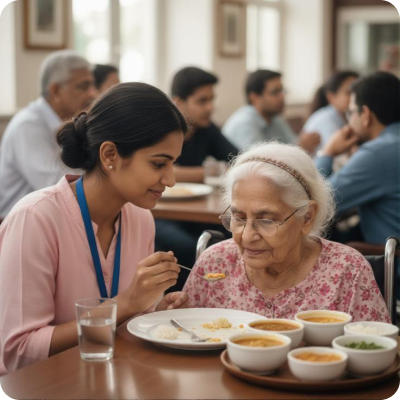
If you're evaluating a care home for palliative support, it helps to know what a well-rounded facility manages beyond medical care alone - daily comfort routines that ease discomfort, nutrition suited to the person's condition and changing appetite, mobility and positioning support to prevent pain or pressure injuries, coordination with external doctors and hospitals when needed, regular communication and updates for the family, and an environment - both physical and emotional - that feels safe, warm, and unhurried.
Choosing the right facility is one of the most important decisions a family can make, and it helps to know exactly what to ask before you decide.
You can read more here: Top 14 Questions to Ask Before Choosing an Assisted Living Facility
How Epoch Elder Care Approaches Palliative Care
At Epoch Elder Care, our approach to palliative care rests on one belief: dignity is never negotiable, at any stage. We practice person-centred care - keeping the individual, not just their condition, at the heart of every decision. This means getting to know the person behind the diagnosis: their preferences, their routines, the small things that bring them comfort, and letting these continue to shape their care even as needs change.
Wherever possible, we protect autonomy - in daily routines, food, how someone chooses to spend their time - because independence shouldn't disappear the moment illness enters the picture. And we look after emotional and social wellbeing just as closely as physical symptoms, because true comfort is never just the absence of pain.
Palliative care, done right, isn't about preparing for an ending - it's about honouring a life, fully, for as long as it continues. If your family is navigating a serious illness and wondering what the right next step looks like, we're here to talk it through with you - gently, with no pressure, just clarity and support when you need it most.