Diwali is a festival of light, sound and togetherness, but for an elder living with a memory condition it can all arrive at once. Diwali with dementia does not mean giving up the traditions your family loves. With a little planning, you can keep the warmth and soften the rest. This guide explains the challenges your elderly loved one may face, how you can help, and how dementia specialists can support your family through the season.
Why can Diwali feel overwhelming for elders?
Diwali brings noise, crowds, visitors and changes to daily routine all at once, and this can strain an elder’s ability to cope. Guidance from the Alzheimer’s Society and the Alzheimer’s Association points to routine, calm surroundings and familiar faces as important for people living with dementia.
- Loud sounds: crackers, music and doorbells can startle and frighten, especially when your elderly loved one cannot tell where the noise is coming from.
- Crowds and visitors: many faces, some unfamiliar, can feel confusing, and an elder may worry about not recognising people they are expected to know.
- Changed routines: late meals, extra sweets and later nights can disturb sleep and unsettle an already delicate daily rhythm.
- Evening confusion: festive gatherings often fall at the time of day when restlessness and confusion tend to grow.
Your elderly loved one is not being difficult when they withdraw or become unsettled. They are responding to more than their mind can comfortably process, and a little understanding goes a long way.
How can you help an elder enjoy Diwali calmly?
Keep the day predictable and the celebration gentle. Small adjustments protect your elderly loved one’s comfort without taking away the joy.
- Keep routines steady: try to maintain usual meal, rest and bedtime patterns, as familiarity helps your elderly loved one feel secure even on a busy day.
- Create a quiet space: set aside a familiar room with soft lighting where they can retreat from noise and rest whenever they wish.
- Introduce guests gradually: a gentle reminder of who is visiting, and how they are connected, helps them feel at ease.
- Celebrate earlier in the day: daytime is usually calmer than late evening, and energy is often higher.
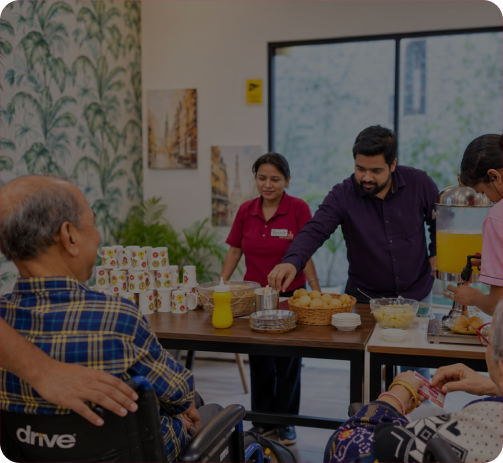
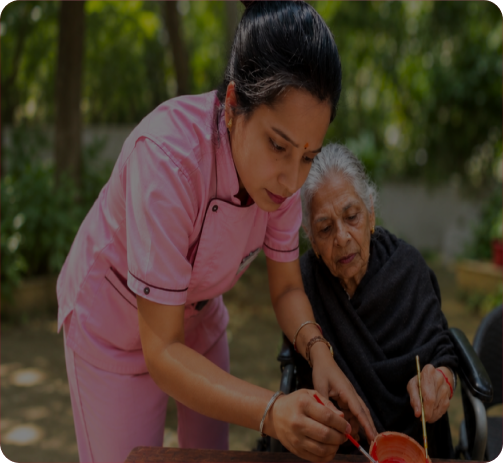
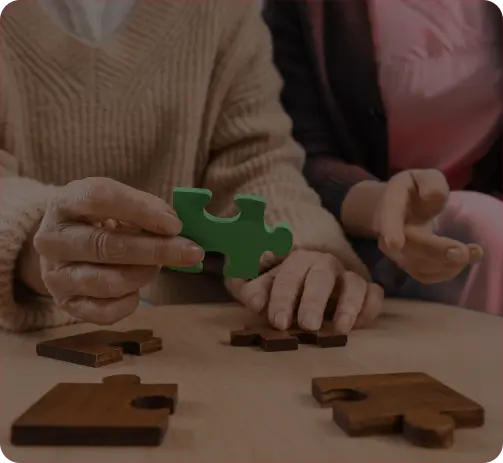
- Offer simple roles: painting diyas, arranging marigolds or sorting sweets gives a sense of purpose and belonging.
Meaningful involvement matters more than perfection. It turns your elderly loved one from a spectator into a valued part of the celebration.
Why are elders with neurocognitive or mobility conditions affected more?
Elders with neurocognitive conditions or limited mobility have fewer ways to cope with sudden change, so festive pressures can affect them more strongly. Confusion, slower reactions and balance difficulties all raise the risk of distress or accidents.
- Misreading sounds and lights: bangs and flashes may be mistaken for danger, which can cause fear or agitation.
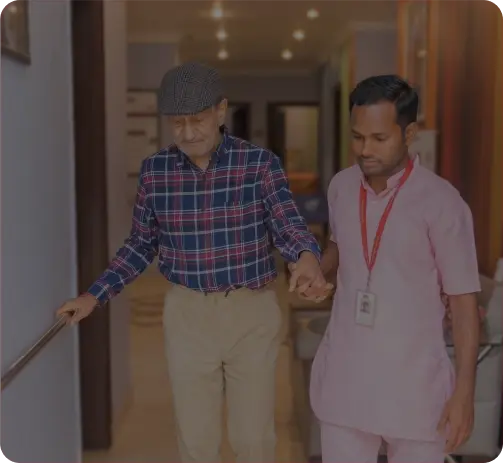
- Trip and fall risks: rangoli powder, oil spills, rugs and cluttered floors can be slippery or uneven, especially for elders who use a walker or wheelchair.
- Tiring crowds: long periods of sitting or standing in busy rooms can be draining, and moving around crowded spaces can be hard.
- Difficulty speaking up: an elder may not be able to say they are in pain, hungry or uncomfortable.
Watch for quiet signs such as restlessness, pacing, tearfulness or withdrawal, and respond early with comfort and a change of scene.
How do fireworks affect elders with dementia?
Fireworks and dementia can be a difficult combination, because sudden bangs and flashes can cause fear, agitation or confusion. Your elderly loved one may not understand what the sounds are or why they are happening.
- Keep windows and doors closed and curtains drawn to soften the sound and flashes
- Play soft, familiar music to mask the noise
- Stay close and speak in a calm, steady voice
- Offer a warm drink or a favourite blanket for comfort
- Move to a quieter room at the loudest times
Smoke can also affect elders with breathing concerns, so please ask the doctor what is best for your family member. After a loud evening, give them a quiet, restful day to recover.
How can you keep Diwali traditions alive in a gentler way?
Familiar traditions bring comfort, and they can be adapted so your elderly loved one enjoys them without strain. The focus is on feeling included, not on doing everything.
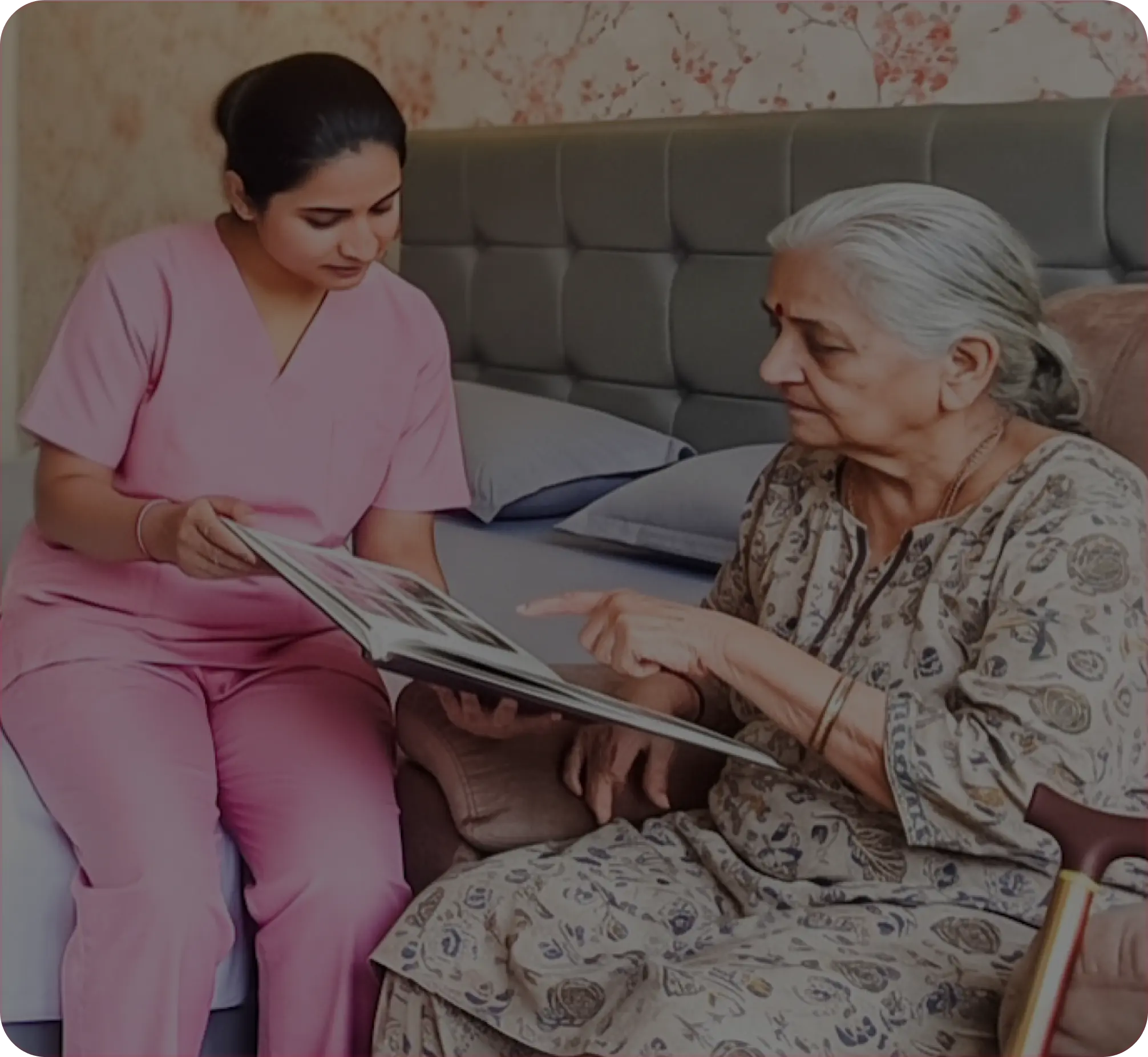
- Share old stories and photographs: flipping through festival photos can spark happy memories and conversation.
- Play familiar songs and bhajans: familiar music can bring comfort and a sense of connection.
- Take part in a short, simple pooja: a few minutes of a ritual they know well can feel deeply reassuring.
- Share a favourite sweet: a small taste of something they have loved for years can be a joyful moment.
Keep it short, keep it kind and follow your elderly loved one’s lead. If they are tired, it is perfectly fine to stop.
What are the best Diwali safety tips for elders that protect dignity?
The best Diwali safety for elders balances protection with independence. Aim to remove risks quietly and offer help without taking over.
- Choose LED or electric diyas in place of open flames near your elderly loved one, so the glow stays and the risk goes.
- Keep clothing close-fitting and comfortable, away from flames and candles, as loose fabrics can catch easily.
- Clear walkways and dry floors, and secure rugs and rangoli areas to prevent slips.
- Offer sweets in small portions, and check dietary needs with the doctor.
- Stay close without hovering, and ask what they would like to do before deciding for them.
- Keep an ID bracelet on if your elderly loved one tends to wander, as doors open often when guests arrive.
Dignity grows when your elderly loved one has choices. Asking “Would you like to sit here or in the other room?” respects them far more than directing them.
How can dementia specialists support families during Diwali?
Dementia specialists help you plan a festive season that suits your elderly loved one’s needs. Elder care during Diwali is easier when you have guidance from people who understand the condition.
- Advising on routines and the environment: simple changes to lighting, seating and layout that reduce stress.
- Planning for noise and crowds: practical ways to stay calm when the celebrations get loud, including quiet spaces and timing.
- Reviewing possible contributors: discomfort, poor sleep or other health issues that can add to restlessness.
- Training family members: confident, calm responses to difficult moments.
- Offering respite and care support: so you can rest and enjoy the festival too.
At Epoch Elder Care, our team is here to listen, answer your questions and help you understand what support could look like for your family.
How can your family create a joyful, dementia-friendly Diwali?
A dementia friendly Diwali is about warmth, patience and small, thoughtful choices. It may be quieter than the festivals of past years, but it can be just as meaningful. A familiar song, a shared sweet, a diya placed carefully on the table and a hand held in yours are often what your elderly loved one will treasure most. They may not remember every detail, but they will remember feeling safe and loved. Be gentle with yourself too, because you are doing this with love, and that is what matters. You do not have to manage the season alone.