When someone you love is diagnosed with dementia or another form of cognitive decline, families often find themselves gently navigating unfamiliar emotional, medical, and practical realities. In the search for understanding and support, memory care facilities frequently enter the conversation. Yet despite their growing importance, these spaces are still often shaped by outdated perceptions about what they are, what they offer, and who they are truly meant for.
Such misconceptions can quietly delay families from seeking help, create unnecessary feelings of guilt, and sometimes stand in the way of elders receiving the specialised care they deserve. Understanding the truth behind these myths is therefore not just helpful; it is a step toward making informed, confident decisions for those we love. Let us explore some of the misconceptions, the fears that gave birth to these misconceptions, and the truth behind them:
Misconception 1: Memory Care Facilities Are Just "Nursing Homes With a Different Name"
One of the most common misunderstandings is that memory care facilities are no different from traditional nursing homes. In reality, memory care is a specialized model designed specifically for individuals living with dementia, Alzheimer's disease, and other cognitive conditions. Unlike general eldercare settings, memory care facilities are thoughtfully designed around neurological and cognitive needs.
- Spatial layouts are intentionally structured to reduce confusion, lower wandering risk, and support safe independence.
- Environments often include clear visual cues, calming design elements, and predictable pathways that enhance orientation.
- Staff receive specialised training in dementia-sensitive communication, behavioural understanding, and emotional reassurance.
- Care approaches focus on preserving dignity while responding patiently to changing cognitive abilities.
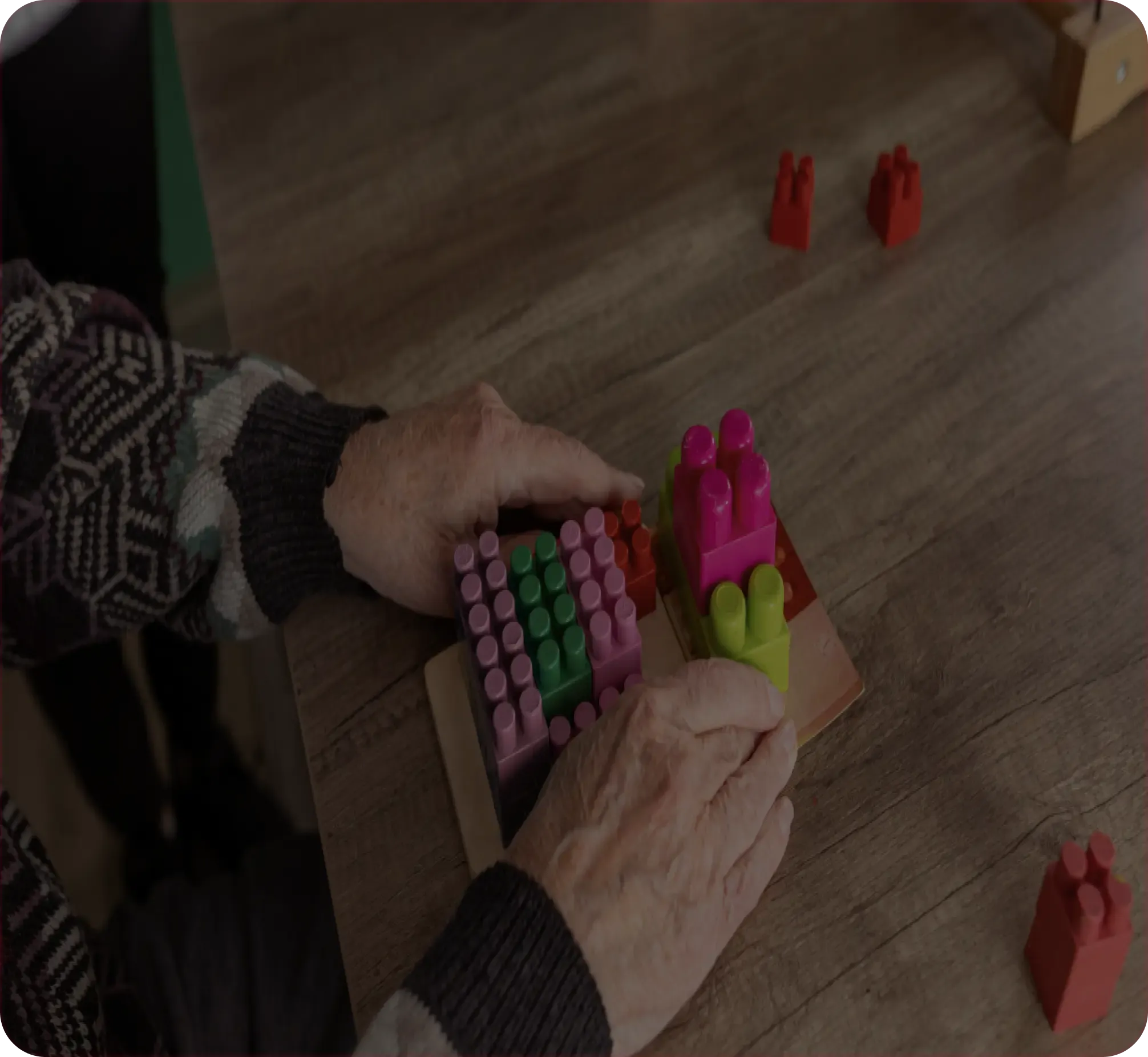
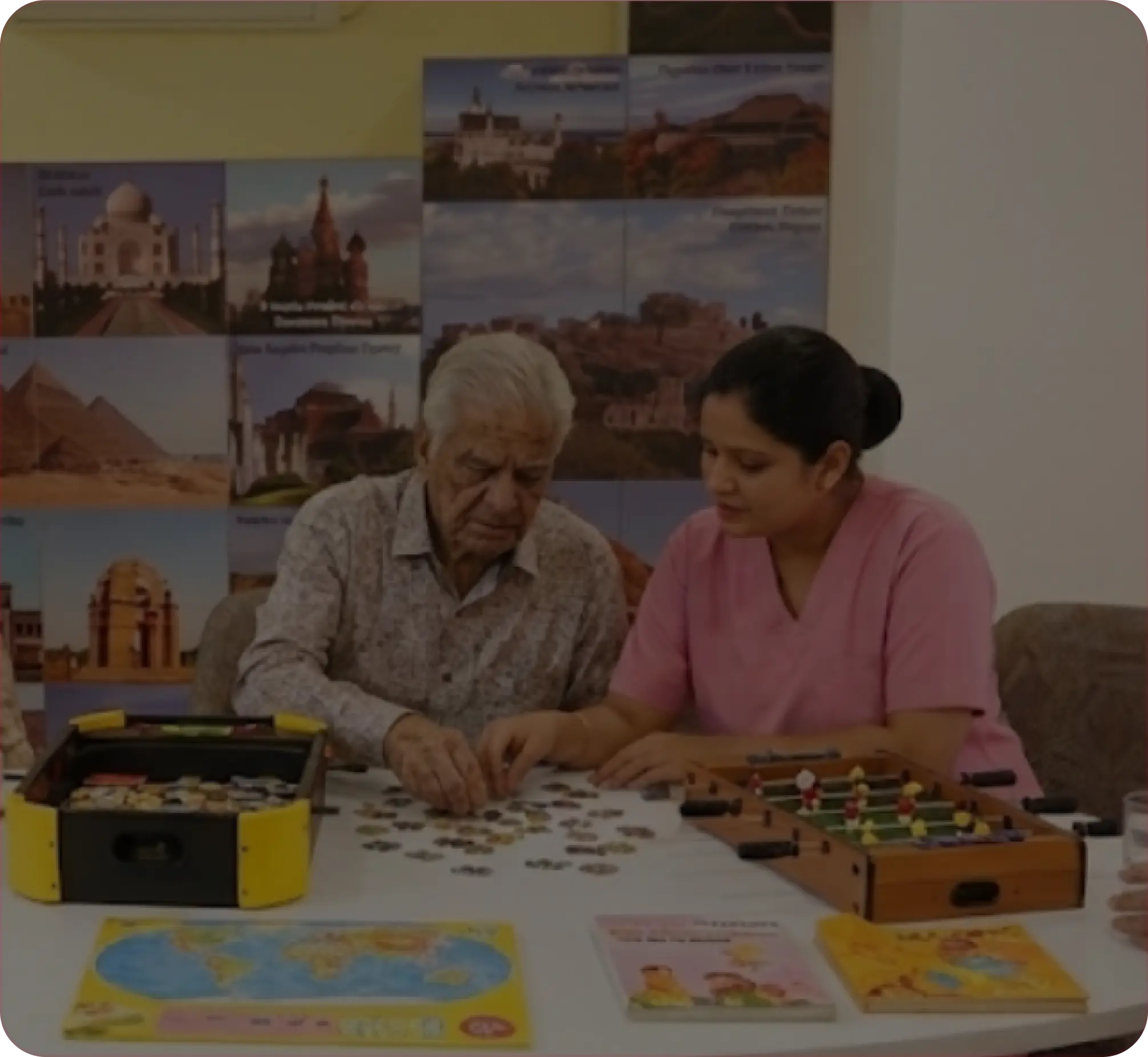
- Structured activities are designed to stimulate memory, encourage engagement, and maintain a sense of purpose.
- Safety measures are integrated discreetly, ensuring protection without making residents feel restricted.
The overall goal is not just supervision, but meaningful support tailored to how the brain experiences the world. Rather than providing only basic assistance, memory care environments focus on preserving function, identity, and dignity. Activities are not generic; they are tailored to cognitive ability, personal history, and emotional needs. The goal is not simply supervision, but therapeutic support.
Misconception 2: Moving Someone to Memory Care Means Giving Up on Them
Families often carry a quiet fear that choosing professional care means they have somehow failed the person they love. That fear is deeply human, but it is not the truth. More often than not, the decision to transition into memory care is an act of fierce advocacy, not abandonment.
Dementia is progressive and complex. Its impact reaches far beyond memory loss, often bringing behavioural changes, sleep disruption, wandering, and evolving medical needs that require consistent structure and skilled response. Meeting these challenges safely demands specialised training, thoughtful routines, and steady clinical oversight.
Family members may offer extraordinary love, patience, and devotion. Still, the realities of dementia care can become physically exhausting and emotionally consuming over time. Professional memory care does not replace family; it reinforces them. It creates the space for loved ones to move from being overwhelmed caregivers back to being daughters, sons, spouses, and friends.
At its heart, the decision is not about stepping away. It is about ensuring that everyone, resident and family alike, is supported with the care, safety, and dignity they deserve. If you are navigating this difficult decision, know that seeking the right support is an act of love.
Misconception 3: Residents Lose Their Identity
Many people worry that moving into memory care means losing independence. In reality, thoughtfully designed programs aim to preserve autonomy for as long as possible. When dementia makes daily life confusing or overwhelming, unstructured environments and too many choices can heighten anxiety and disorientation. Memory care settings reduce these stressors, helping residents function with greater confidence and comfort.
Simple, supportive elements can make a meaningful difference:
- Clearly labeled spaces that support orientation
- Consistent daily routines that reduce uncertainty
- Simplified environments that limit overstimulation
- Gentle prompts that encourage safe participation
- Structured activities that maintain abilities and engagement
Independence in dementia care does not mean doing everything alone; it means having the right level of support to succeed. With the right structure, many individuals retain skills longer while continuing to experience dignity, confidence, and a sense of self. Learn more about our caregiving approach and how we keep personhood at the centre of everything we do.
Misconception 4: Memory Care Is Only for Late-Stage Dementia
Another widespread myth is that memory care is only necessary in the final, most advanced stages of dementia. In reality, earlier intervention can significantly improve long-term outcomes. Dementia is progressive by nature, but research suggests that structured cognitive stimulation, routine, and social engagement can help slow functional decline and reduce behavioural symptoms. Some studies indicate that consistent cognitive and social programs may help maintain abilities for longer periods compared to unstructured care at home.
When support begins in the early or moderate stages, individuals have the opportunity to adapt gradually. They build familiarity with caregivers, develop trust, and engage in therapies designed to preserve memory, attention, and daily living skills. This proactive approach often reduces anxiety and helps maintain confidence. A structured dementia day care program can be an excellent first step for families not yet ready for full-time residential care.
By contrast, waiting for a crisis, such as a fall, wandering episode, or severe behavioural escalation, can make transitions abrupt and emotionally distressing. Early memory care reframes the journey. It is not a last resort, but a stabilising step that can slow visible decline, reduce complications, and ultimately enhance overall quality of life for both the individual and their family.
Misconception 5: Residents Sit Idle All Day
Popular media often depict eldercare settings as quiet, passive places where residents simply pass the time. In reality, high-quality memory care communities are intentionally designed to be active, engaging, and responsive to each individual's cognitive needs. Meaningful engagement is not an added feature; it is a core therapeutic element of dementia care. Research consistently shows that regular cognitive stimulation, social connection, and sensory activity can help maintain functioning, reduce anxiety, and support emotional well-being.
Thoughtfully structured programs may include:
- Music therapy to stimulate memory and emotional recall
- Reminiscence sessions that reinforce identity and life stories
- Art and creative expression to support cognition and mood
- Gentle physical movement to aid circulation and brain health
- Storytelling and conversation groups to encourage communication
- Gardening or tactile activities for sensory grounding
- Guided social interaction to reduce isolation and withdrawal
These experiences are not simply recreational; they are evidence-based interventions that can lower agitation, improve mood stability, and enhance overall quality of life. In well-run memory care settings, every activity is chosen with purpose: to nurture the mind, support dignity, and help each person remain meaningfully connected to the world around them. Explore how caring by engaging shapes meaningful daily life for residents living with dementia.
Misconception 6: Behavioral Symptoms Mean Someone Is "Difficult"
Families sometimes worry that if a loved one shows agitation, aggression, or confusion, they may be seen as "difficult" or unmanageable. In specialised memory care, however, these behaviours are understood very differently: not as personality traits, but as expressions of neurological change. What may look like resistance or distress is often the person's way of communicating discomfort, fear, overstimulation, pain, or an unmet need.
Trained memory care professionals are taught to recognise these signals and respond thoughtfully rather than reactively. Their approach typically includes:
- Identifying triggers such as noise, unfamiliar settings, or physical discomfort
- Using calm tone, reassuring body language, and validation techniques
- Redirecting attention gently instead of confronting or correcting
- Adjusting the environment to reduce stressors
- Monitoring medical or sensory factors that may influence behaviour
This clinical understanding transforms the entire care experience. Behaviour is not judged, it is interpreted. When caregivers view actions as communication, responses become more compassionate, more effective, and far safer. In this kind of environment, residents feel understood rather than controlled, which can significantly reduce distress and foster a greater sense of security and trust. Read more about understanding and responding to behavioural changes in dementia care.
Misconception 7: Professional Care Is Cold or Institutional
For many families, lingering stereotypes can make care settings feel cold or impersonal in their imagination. It's an understandable fear; no one wants a loved one to feel like they've entered a clinical, unfamiliar space. In reality, the elder care model itself has long recognised that comfort and familiarity are essential to wellbeing.
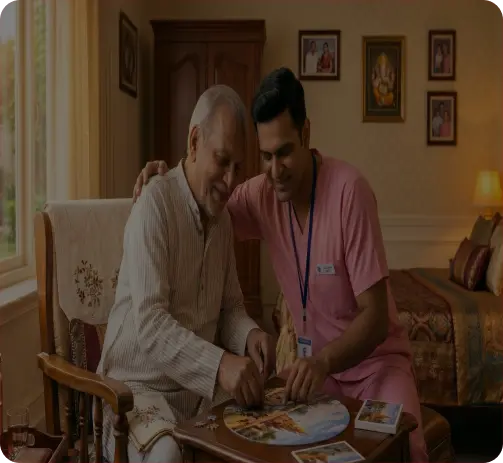
Memory care is not meant to feel institutional; it is meant to feel personal. Spaces are arranged to be calming and easy to navigate. Rooms often include personal belongings, photographs, and cherished objects that anchor identity. Soft lighting, familiar routines, and accessible outdoor areas are not aesthetic choices alone; they are tools to create emotional safety.
What truly shapes the experience, however, is the human connection. Person-centred care means caregivers take time to learn each resident's story, the music they love, the language they prefer, and the habits that have defined their mornings for decades. When staff understand who someone has been throughout their life, care becomes relational rather than procedural.
At its heart, elder care is not about managing tasks. It is about preserving personhood, ensuring that even as memory changes, dignity, familiarity, and individuality remain deeply respected. Hear directly from families about what life at Epoch feels like for their loved ones.
Misconception 8: Memory Care Only Supports the Resident
In reality, dementia care is never centred on the individual alone; it is approached holistically, with the understanding that cognitive decline touches the entire family. When one person's memory changes, routines shift, roles evolve, and emotional strain quietly spreads across the household. That is why meaningful memory care extends support beyond the resident. Families are offered guidance, education, and reassurance as they navigate an unfamiliar journey. Many settings provide:
- Family counselling or emotional support resources
- Support groups that connect loved ones facing similar experiences
- Educational sessions on disease progression and behavioural changes
- Regular care updates that foster transparency and trust
- Collaborative care planning that keeps families involved
These services are not secondary additions; they are essential pillars of comprehensive dementia care. When families feel informed and supported, they are better equipped to cope, communicate, and remain present in loving, sustainable ways. Holistic elder care recognises a simple truth: caring for one person means caring for the family system around them. Our dementia family consults are designed with exactly this philosophy in mind.
Why Addressing These Misconceptions Matters
Misconceptions about memory care do more than create confusion; they can delay essential support when it is needed most. When families hesitate due to stigma or misinformation, elders may remain in settings that are no longer safe or appropriate, increasing risks such as falls, wandering, medication errors, or heightened anxiety.
Early access to specialised care can reduce these stressors. Structured supervision improves safety, consistent routines ease agitation, and trained professionals address behavioural and medical changes proactively. Families, too, benefit from relief and reassurance, allowing relationships to feel more connected and less overwhelmed.
Understanding what memory care truly offers reframes the decision. It is not about giving something up; it is about gaining expertise, structure, and support designed specifically for cognitive health, and choosing dignity, safety, and a better quality of life for all involved. If you are wondering when the right time is to consider professional care, our team is here to help you think it through.
Takeaway
Dementia may alter memory and behaviour, but it does not erase identity. Every individual remains shaped by a lifetime of experiences, relationships, and inherent worth. Meaningful memory care begins with this understanding, caring for the whole person, not just the diagnosis.
When families see memory care with greater clarity, beyond common myths, the decision often feels less overwhelming. It becomes not a loss, but a thoughtful step toward appropriate support guided by understanding, compassion, and confidence in doing what is best for someone they love. We invite you to schedule a visit and experience the Epoch difference for yourself.
FAQs on Memory Care Facilities
What is the difference between a memory care facility and a nursing home?
A memory care facility is a specialised care environment designed exclusively for individuals living with dementia, Alzheimer's disease, or other forms of cognitive decline. Unlike general nursing homes, memory care communities feature dementia-specific spatial design, trained staff who understand neurological and behavioural changes, structured therapeutic activities, and enhanced safety measures. The focus goes beyond basic medical supervision to support cognitive function, emotional wellbeing, and personal dignity. Learn more about specialised dementia care at Epoch.
When should someone with dementia move into a memory care facility?
Memory care is not only for late-stage dementia. Earlier entry, during mild to moderate stages, allows the individual to adapt gradually, build trust with caregivers, and benefit from structured cognitive and social programmes that may help slow decline. Waiting for a crisis such as a fall or wandering episode often makes transitions harder. If you are unsure about timing, our dementia family consults can help you assess the right moment to act.
Does moving to memory care mean the family is no longer involved?
Not at all. Quality memory care actively involves families through regular care updates, collaborative care planning, educational sessions, and emotional support resources. Professional care does not replace the family; it relieves them of the clinical burden so they can focus on being present as loved ones. Families remain essential partners throughout the care journey. Read more about navigating difficult decisions around elder care.
What activities do residents in memory care facilities participate in?
Residents in well-designed memory care communities engage in a wide range of purposeful, evidence-based activities including music therapy, reminiscence sessions, art and creative expression, gentle physical movement, storytelling groups, gardening, and guided social interaction. These are not simply recreational but are therapeutic interventions chosen to stimulate cognition, reduce agitation, and support emotional wellbeing. Explore our activity calendar to see how meaningful engagement is woven into every day at Epoch.