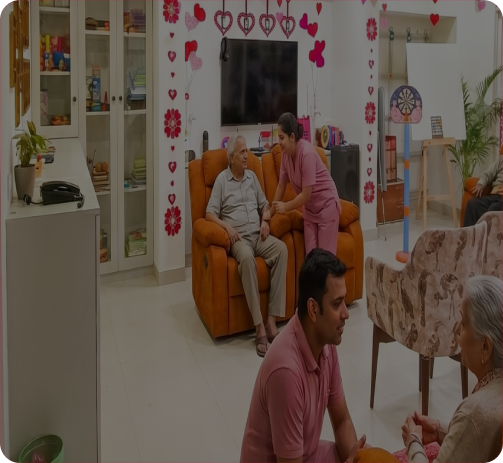
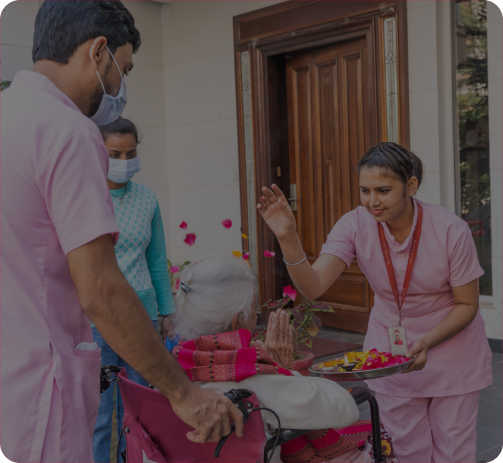
Deciding for your loved one to shift from home care to an elder care facility is rarely straightforward. It is not just a logistical shift, but an emotional and psychological one, for both the individual and their family. In many cases, families delay this transition, hoping that home care will continue to suffice. However, there often comes a point where increased care needs, safety concerns, and overall well-being make this move not just necessary but beneficial. This guide is designed to help families navigate the assisted living transition thoughtfully, balancing emotional sensitivity with practical clarity.
Recognising When It's Time to Move from Home Care to an Elder Care Facility
One of the most important and most difficult questions families face is when to move a parent to assisted living. Often, the need becomes apparent gradually. What begins as occasional support may evolve into consistent supervision, and eventually, into medical care that cannot be effectively managed at home. Some key signs it's time to move from home care to assisted living include:
- Increasing medical needs that require professional monitoring
- Frequent falls or safety-related incidents
- Caregiver fatigue or burnout
- Noticeable progression in dementia or memory-related conditions
- Social withdrawal or isolation
- Difficulty managing daily activities such as bathing, eating, or taking medication
When several of these factors are present, transitioning to an elder living facility becomes a more sustainable and responsible choice. You can also explore our detailed guide on recognising the right moment to consider professional senior care.
Preparing Emotionally for the Transition from Home Care to Assisted Living
While practical arrangements are important, emotional preparation for moving parents to elder living is equally critical. For families, this decision is often accompanied by guilt or self-doubt. It is important to reframe the situation — not as a loss of independence, but as a step towards safer, more structured, and supportive care.
For elders, the transition can feel like a loss of familiarity and control. Open, gradual conversations can help ease this shift. It is helpful to emphasise aspects such as community living, access to care, and opportunities for engagement. Whenever possible, involving the individual in visits and discussions can foster a greater sense of comfort and acceptance. Read more on navigating difficult decisions in elder care.
Understanding Different Types of Elder Care Facilities
Before seeking help, it is important first to understand that not all elder facilities are designed the same way. The level of care, medical support, and daily engagement can vary significantly, and choosing the right type plays a crucial role in ensuring both comfort and continuity. Broadly, elder care facilities can be categorised as follows:
- Assisted living facilities are suited for individuals who are largely independent but require support with daily activities such as bathing, dressing, or medication management. Learn more about assisted living services at Epoch.
- Nursing homes are designed for elders who need continuous medical supervision and access to clinical care around the clock.
- Memory care units provide specialised environments and structured support for individuals living with dementia or Alzheimer's, focusing on safety, routine, and cognitive engagement. Explore Epoch's specialist dementia care services.
- Continuing care retirement communities offer a combination of these services within one setting, allowing residents to transition between levels of care as their needs evolve.
Taking the time to understand these distinctions ensures that the chosen care setting is not only appropriate for current needs, but also sustainable as those needs change over time.
How to Choose an Elder Care Facility in India
Choosing the right elder care facility is one of the most important decisions a family will make, and it requires looking beyond first impressions. While infrastructure, interiors, and ambience may influence perception, they should never outweigh the quality of care being delivered. A well-chosen facility balances clinical expertise, safety, engagement, and transparency. Families should take a structured approach and prioritise the following aspects:
- Clinical Capabilities
At the core of any elder care facility is its ability to provide consistent and reliable medical support. This includes:
- Availability of trained doctors and nursing staff
- Clearly defined systems for emergency response
- Structured and monitored medication management
These elements become especially critical for elders with chronic conditions or evolving health needs.
- Safety and Infrastructure
A thoughtfully designed environment plays a key role in preventing risks and ensuring comfort. Look for:
- Fall-prevention features such as grab bars, anti-skid flooring, and well-lit spaces. Read more about preventing falls in the elderly.
- Accessibility across rooms, bathrooms, and common areas
- High standards of hygiene, cleanliness, and maintenance
Safety should be embedded into the design, not treated as an afterthought. Learn how an elder-friendly environment can make a real difference.
- Quality of Caregiving Staff
Caregivers are central to the daily experience of residents. Their training, availability, and approach directly impact quality of life. Consider:
- A healthy caregiver-to-resident ratio
- Training in geriatric care and, where needed, dementia care
- Consistency in staff, which helps build trust and familiarity
- Lifestyle and Engagement
An elder care facility should not only provide care, but also enable a meaningful and engaging daily life. Look for:
- Structured routines that provide stability
- Activities that support physical, emotional, and cognitive well-being. See activities that boost cognitive ability in elders.
- Opportunities for social interaction and community building
Engagement is a key determinant of overall well-being, particularly for long-term residents. Learn more about how hobbies enhance elder well-being in assisted living.
- Transparency and Communication
Clarity and trust are essential in long-term care decisions. Families should ensure:
- Clearly defined pricing structures with no hidden costs. Review Epoch's transparent pricing.
- Regular and open communication from the facility
- Personalised care plans that are reviewed and updated as needs evolve
For a comprehensive checklist before making your decision, read our guide on the top 14 questions to ask before choosing an assisted living facility.
Location-Specific Considerations When Moving to an Elder Care Facility
While care quality remains the priority, location also plays a meaningful role in ensuring ongoing family involvement and accessibility.
Delhi NCR
When evaluating an elder care facility in Delhi NCR, proximity to family and hospitals is important. A thorough, step-by-step approach — including multiple visits and trial stays — can help families make a more informed decision. Explore Epoch's elder care homes in Delhi NCR.
Gurgaon / Gurugram
Many assisted living options in Gurgaon and retirement homes in Gurugram offer modern infrastructure and premium amenities. However, it is essential to assess whether the clinical care and staffing standards are equally strong.
Pune
Elder living communities in Pune and nursing homes in Pune are often known for integrated care models. Families should prioritise facilities that can support residents across different stages of care, ensuring long-term continuity without the need for multiple transitions. Discover Epoch's elder care homes in Pune.
Taking the time to evaluate these factors carefully can make a significant difference — not just in the quality of care but in the overall experience of both the resident and their family.
What Should You Know About the Cost of Moving to a Care Home in India?
A critical part of the nursing home admission process is understanding the financial commitment involved, especially in India, where costs, inclusions, and care standards can vary widely across cities and facilities. Gaining clarity early on helps families plan better and avoid unexpected stress later. For a detailed overview, read our guide on elder care costs and budget planning in India.
- Monthly fees and what they include: Monthly charges can differ significantly depending on the level of care, location, and type of room. It is important to understand exactly what is covered — whether it includes accommodation, meals, basic nursing care, daily assistance, and activities — or if some of these are billed separately.
- Additional medical or emergency costs: Many families assume medical care is fully included, but specialised consultations, hospital transfers, medications, or emergency interventions may come at an extra cost. Clarifying these scenarios in advance helps prevent financial surprises during critical moments.
- Security deposits and refund policies: Most facilities require an upfront deposit. Families should ask about how this deposit is structured, under what conditions it is refundable, and the timelines involved. This becomes especially important in case of discharge or changes in care needs.
- Long-term affordability: Elder care is often a long-term commitment, and costs can increase over time as care needs evolve. It is important to assess whether the facility remains financially sustainable not just for the present, but for the future as well.
Requesting a detailed and transparent cost breakdown at the outset allows families to make informed decisions, ensuring that financial planning supports the continuity of care.
Step-by-Step Guide to Moving an Elderly Loved One from Home Care to a Care Home
A well-planned transition can make a significant difference in how comfortably both the individual and the family adapt to this change. Moving from home care to a nursing home is not a single event, but a process — and approaching it thoughtfully can help reduce anxiety and resistance. Here is a step-by-step guide to moving an elderly parent to a nursing home:
Step 1: Assess Care Needs
Begin by gaining a clear understanding of your loved one's current and future care requirements. Consulting a doctor or geriatric specialist can help you evaluate medical needs, mobility levels, and the kind of supervision required. This step ensures that the chosen facility is equipped to provide appropriate care.
Step 2: Shortlist Suitable Facilities
Research and identify a few elder living facilities that align with these care needs. Instead of exploring too many options, focus on a select few and visit them in person. Observing the environment, staff interactions, and daily routines can offer valuable insights. Read our guide on selecting the right elder care home to guide your shortlisting process.
Step 3: Opt for Trial Stays
Where possible, arrange a short-term or trial stay. This allows both the individual and the family to experience the facility firsthand, making it easier to assess comfort levels, quality of care, and overall suitability.
Step 4: Prepare Documentation
Before initiating the nursing home admission process, ensure all necessary documentation is in place. This typically includes medical records, prescriptions, identification documents, and emergency contact details. Being organised at this stage helps avoid last-minute stress.
Step 5: Plan the Move Thoughtfully
Choose a day and time that allows for a calm and unhurried transition. Avoid making the move feel abrupt or overwhelming. A well-paced approach can help ease anxiety and create a more positive experience.
Step 6: Personalise the New Space
Recreating elements of home within the new environment can significantly support emotional adjustment. Familiar items such as photographs, favourite bedding, or personal belongings can bring comfort and a sense of continuity.
Step 7: Stay Involved After the Move
The transition does not end once the move is complete. Regular visits, calls, and communication with both your loved one and the caregiving team are essential, especially in the initial weeks. Read more on maintaining family connections after moving to assisted living and how assisted living can actually strengthen family bonds.
Supporting a Smooth Transition from Home to Elder Care
The assisted living transition is not immediate. It takes time for individuals to adjust to a new environment, routine, and social setting. Families can support this process by:
- Maintaining familiar routines where possible
- Encouraging participation in activities
- Building rapport with caregivers. Learn about Epoch's person-centred caregiving approach.
- Staying consistently connected
The first few weeks are particularly important in shaping long-term comfort and acceptance.
Common Challenges of Transitioning to a Care Home and How to Address Them
Some level of resistance or hesitation is natural, both from elders and their families. This transition is not just logistical; it is deeply emotional.
- Parental resistance often comes from fear — fear of losing independence, familiarity, and control. It can help to approach these conversations with patience, empathy, and time. Instead of presenting it as a decision already made, involve them gradually. Visiting the facility together, introducing them to caregivers, and allowing them to experience the environment can ease this transition. Our resource on the big decision of moving from home to an assisted living facility may help you navigate these conversations.
- Family guilt is one of the most common and overwhelming emotions. Many feel they are "giving up" on their loved one. In reality, choosing professional elder care is often an act of responsibility and love — ensuring better medical attention, safety, structured routines, and emotional support. Reframing this decision as a step toward improved quality of life, rather than a loss, can help families cope with this guilt. Read: Assisted living is not about giving up, but stepping up.
- Adjustment difficulties are also expected. Elders may initially feel disoriented, withdrawn, or anxious in a new setting. This is where consistent involvement from both family and caregivers becomes important. Regular visits, familiar belongings, and close coordination with the care team can make the environment feel more personal and comforting over time.
Ultimately, this journey is not about replacing family care — it is about extending it with the right support, so that elders receive the dignity, attention, and quality of life they truly deserve.
Tips to Help Your Loved One Feel at Home from Day One
Even with careful planning, certain aspects of elder care only become fully visible once the transition has begun. These are not always logistical gaps, but emotional and experiential ones that shape how both elders and families adjust over time.
- Emotional readiness is often overlooked. While families may prepare for the practicalities of a move, the emotional shift can be far more complex. Stepping away from daily caregiving, adjusting to a new role, and placing trust in a professional care environment takes time and acceptance on both sides.
- The role of social interaction is another key factor that is underestimated. Elder care is not only about medical support or assistance with daily activities. Meaningful engagement, shared routines, and a sense of community contribute significantly to emotional well-being and even cognitive health. Without this, care can feel isolating rather than enriching. Explore how engagement is at the heart of quality elder care.
- Many families also underestimate the need for specialised dementia care when moving from home. Conditions like dementia require more than general support — they need structured routines, behavioural understanding, and personalised engagement that can respond to changing cognitive and emotional needs. The right approach can make a meaningful difference in reducing anxiety and improving quality of life. Learn about Epoch's dementia day care programme and caregiver training for dementia.
- The value of long-term care continuity often becomes clear over time. An elder's needs are not static — they evolve. Choosing a care setting that can adapt to these changes ensures stability, familiarity, and consistent support, rather than repeated transitions that can be disruptive.
Final Thoughts
Moving from home care to an elder care facility is often seen as a loss of independence. In reality, when guided by a thoughtful and person-centred approach, it can offer a structured yet warm environment that prioritises safety, dignity, and holistic wellbeing. With clinically guided care and individualised attention, residents benefit from a balance of professional oversight and emotional support within a nurturing, community-led setting.
For many families, this transition brings peace of mind, reduces caregiver stress, and enhances the overall quality of life for their loved ones. With the right preparation and perspective, it becomes not just a necessary step but a meaningful journey rooted in comfort, belonging, and purpose. Start your journey with Epoch Elder Care today or schedule a visit to experience the difference firsthand.
Quick Checklist for Transitioning from Home Care to a Care Home
- Understand their care needs with a doctor or specialist
- Research and shortlist a few good elder care homes — use our guide on how to select the right elder care home
- Visit in person and see what feels right — schedule a visit to Epoch
- Get full clarity on costs, including any extra charges — see Epoch's pricing and plans
- Prepare yourself and your loved one emotionally for the move
- Set up the new space with familiar belongings
- Stay involved through regular visits and communication
Frequently Asked Questions (FAQs)
What are the signs that it's time to move from home care to an elder care facility?
Key signs include increasing medical needs requiring professional monitoring, frequent falls or safety incidents, caregiver burnout, progression of dementia or memory conditions, social withdrawal, and difficulty managing daily activities like bathing, eating, or taking medication. When multiple signs are present simultaneously, transitioning to a professional elder care facility is often the safest and most responsible choice.
How do I choose the right elder care facility in India?
Look beyond infrastructure and aesthetics. Evaluate clinical capabilities (qualified nursing staff, emergency systems, medication management), safety design, caregiver-to-resident ratio, lifestyle and engagement programmes, and transparent pricing. Always visit in person and, where possible, arrange a trial stay. Refer to our guide on the top questions to ask before choosing an assisted living facility.
What is the difference between assisted living and a nursing home in India?
Assisted living is suited for elders who are largely independent but need help with daily activities like bathing or medication. Nursing homes provide round-the-clock medical supervision for those with higher clinical needs. Memory care units are a specialised subset designed specifically for individuals with dementia or Alzheimer's.
How do I convince my elderly parent to move to a care home?
Approach the conversation gradually, with patience and empathy. Avoid presenting it as a final decision. Instead, involve your loved one in facility visits, introduce them to caregivers, and let them experience the environment. Framing the move as an opportunity for community, better care, and safety — rather than a loss of independence — often helps ease resistance.
How much does elder care cost in India?
Costs vary significantly based on the city, facility type, level of care, and room type. Monthly fees may or may not include meals, nursing care, daily assistance, and activities. Additional costs can include specialised medical consultations, emergency care, and medications. Read our full guide on elder care costs and budget planning in India.
How long does it take for an elder to adjust after moving to a care facility?
Adjustment timelines vary by individual. Most elders need a few weeks to a few months to settle into a new environment, routine, and social circle. The first few weeks are particularly important. Consistent family visits, familiar personal belongings in the room, and a supportive caregiving team significantly ease and accelerate the adjustment process.
Is moving a parent to an elder care facility the right decision?
When home care can no longer safely or effectively meet an elder's medical, physical, or social needs, transitioning to a professional care facility is often both a responsible and loving choice. It provides access to trained medical staff, structured routines, social engagement, and safety — all of which contribute to a better quality of life. As our blog notes, assisted living is not about giving up, but stepping up.
What types of elder care facilities are available in India?
In India, elder care options include assisted living facilities, nursing homes, memory care units (for dementia and Alzheimer's), and continuing care retirement communities (CCRCs). Each caters to a different level of care need. Epoch Elder Care offers a full range of care and support services across its homes in Delhi NCR and Pune.