There is a moment that many families know well. The hospital discharge. The relief of finally bringing a loved one home, paired quietly with the weight of everything that comes next: the medications, the follow-up appointments, the constant vigilance, the fear that something might go wrong again.
For many older adults, especially those managing chronic conditions, dementia or post-surgical recovery, that fear is not unfounded. Hospital readmissions are one of the most common, costly and preventable challenges in elder care today. And yet, one of the most effective tools for preventing them, post-surgery care and structured rehabilitation nursing care, rarely gets the attention it deserves.
This blog explores why hospital readmissions happen, what the evidence says about reducing them, and how a professional rehabilitation and nursing home or recovery care home can make a meaningful, measurable difference in outcomes.
What is a hospital readmission and why does it keep happening?
A hospital readmission occurs when an elder who has been discharged is admitted again within a specified period, most commonly within 30, 60 or 90 days. For older adults, this cycle is not just common; it can be deeply destabilising and significantly harmful to long-term recovery.
The reasons behind readmissions are rarely simple. They cluster around five recurring causes:
1. Incomplete recovery at the time of discharge
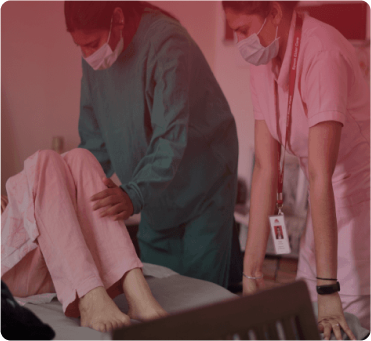
Many elders are sent home before they are fully stable, particularly under pressure on hospital beds. The transition home, while emotionally welcome, happens during a window where the risk of setback is at its highest. This is precisely where post-surgery care in Gurgaon and structured rehabilitation nursing care can intervene most effectively.
2. Medication mismanagement
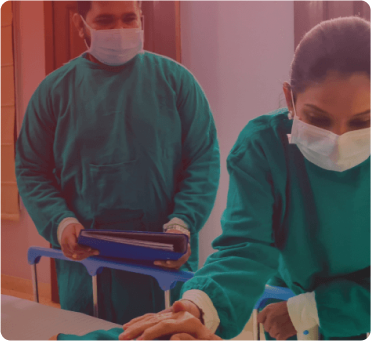
Complex medication regimens, new prescriptions and unclear instructions at discharge frequently lead to errors at home. A missed dose or an incorrect combination can precipitate a rapid and dangerous decline. Trained nursing staff in a rehabilitation and nursing home setting can eliminate this risk.
3. Lack of structured follow-up care
When post-discharge appointments are missed or delayed, early warning signs go undetected. A 2024 meta-analysis published in Preventing Chronic Disease confirmed that structured elder follow-up visits reduced 30-day all-cause readmissions by 21% across heart failure, COPD, myocardial infarction and stroke.
4. Caregiver exhaustion and burnout
This is the most under-discussed driver of readmissions in elder care. When the person responsible for monitoring, medicating and supporting a recovering elder is depleted, physically, emotionally or both, the quality and consistency of care at home deteriorates sharply.
A 2025 qualitative study published in Innovation in Ageing found that in the absence of accessible respite and out-of-home elder care, emergency departments and hospitals become the only option when home care becomes unmanageable. Caregivers and hospital discharge planners consistently identified caregiver burden and lack of support as primary contributors to preventable readmissions among people with dementia.
5. Social isolation and poor living conditions
Elders who return to environments with limited social support, poor nutrition or unsafe physical conditions are significantly more likely to deteriorate and require re-hospitalisation. A structured recovery care home addresses all three factors simultaneously.
How big is the hospital readmission problem in India?
Globally, nearly one in five elders is readmitted to the hospital within 30 days of discharge. For older adults managing multiple chronic conditions, that figure climbs higher still. Beyond the human cost, the disruption, the anxiety, the physical toll of repeated hospitalisation, the financial burden is immense.
In India, where the elder care ecosystem is still developing, and the majority of care continues to fall on family members, these pressures are compounded. Nuclear families, working adult children and a shortage of trained home caregivers mean that many older adults return home to environments that are simply not equipped to support complex recovery.
Cities like Gurgaon and Pune are witnessing a sharp rise in demand for structured post-discharge care. The need for quality post-surgery care in Gurgaon and rehabilitation care homes near Pune has never been more acute.
What are the most effective ways to reduce hospital readmissions?
Research consistently points to the same evidence-based interventions:
- Structured post-discharge follow-up reduces 30-day readmissions by 21%, as confirmed by a 2024 CDC meta-analysis.
- Professional medication management at discharge and during recovery significantly reduces medication-related adverse events.
- Care continuity in a rehabilitation and nursing home setting produces dramatically better outcomes than unstructured home recovery.
- Addressing caregiver burden through Post-surgery care, caregiver well-being, and elder safety are not separate concerns. They are the same concern.
- Community-based recovery environments that combine medical oversight with nutrition, mobility, mental stimulation and social connection produce holistically better recovery outcomes.
What is Post-surgery care, and how does it prevent readmissions?
Post-surgery care is professional, temporary care provided to an older adult, giving family caregivers a genuine period of rest while ensuring the person they care for continues to receive skilled, consistent support.
At its best, Post-surgery care is a clinically informed intervention that provides:
- Skilled 24/7 monitoring of health status during the most vulnerable recovery window
- Consistent medication management and adherence support
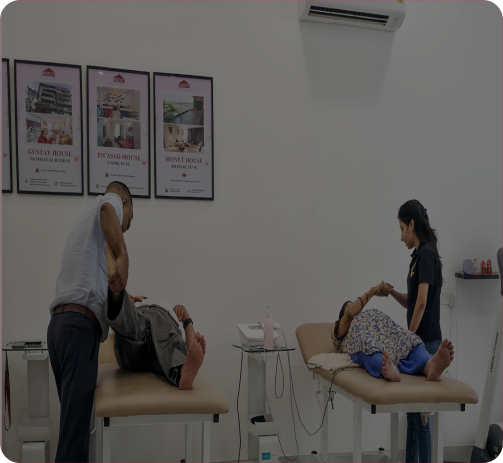
- Structured physiotherapy, mobility and nutrition support
- Professional oversight that detects early warning signs before they escalate
- Emotional and social engagement that supports mental well-being alongside physical recovery
- Coordinated communication with the elder’s existing medical team
For families seeking post-surgery care in Gurgaon or a rehabilitation care home near Pune, a structured Post-surgery care environment offers precisely this combination, without the family having to manage every element alone.
How does caregiver burnout drive hospital readmissions?
The relationship between caregiver burnout and hospital readmission is one of the most important, and least acknowledged, dynamics in elder care.
A chronically exhausted caregiver cannot provide the same level of attentiveness, patience and clinical responsiveness as one who is rested and supported. They may miss early warning signs. They may manage medications incorrectly. They may make the decision to call emergency services not because of a clinical emergency, but because they have simply reached their limit.
The 2025 study in Innovation in Ageing was direct: caregivers and hospital staff identified the absence of accessible, affordable Post-surgery care as a direct cause of unnecessary emergency department visits and preventable readmissions, particularly among elders with dementia.
The conclusion is clear: when caregivers receive structured support through a rehabilitation and nursing care service, the elders in their care are safer.
Real-world outcomes: what does the research actually show?
-
50% fewer readmissions in 90 days
A Boston-based study found that elders who participated in a structured medical respite programme required 50% fewer hospital readmissions in the 90 days following discharge, compared to those who managed their recovery without structured support.
-
3.7 days vs. 8.3 days of hospital stay
A Chicago-based study found that elders who accessed structured post-discharge care required an average of 3.7 hospital days in the following 12 months, compared to 8.3 days for those without such support. That is more than 50% fewer hospital days in a single year.
-
21% reduction in 30-day all-cause readmissions
A 2024 CDC systematic review confirmed that structured out-of-hospital follow-up, a core feature of quality respite and rehabilitation nursing care, reduces 30-day all-cause readmissions by 21% across heart failure, COPD, myocardial infarction and stroke.
-
System-level readmission reductions
Broader quality improvement programmes incorporating structured post-discharge and transitional care reduced readmission rates for heart failure and myocardial infarction from over 21% to under 18%, a significant and meaningful reduction at scale.
-
Dementia-specific outcomes
People with dementia face some of the highest readmission risks of any population. Post-surgery care is one of the few interventions that addresses both the elder’s clinical risk and the caregiver’s capacity simultaneously, making it uniquely powerful in this group.
Why a rehabilitation and nursing home is not the same as a hospital
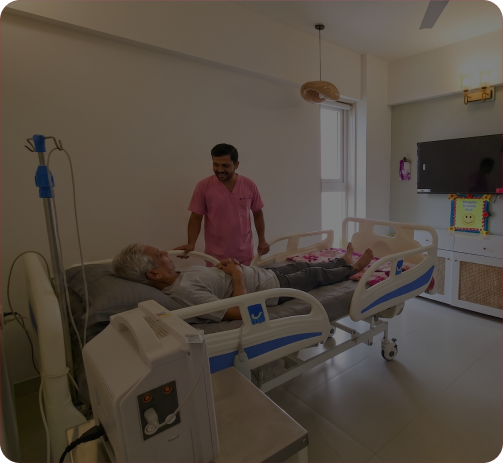
A critical distinction that families often miss is the difference between a hospital and a rehabilitation and nursing home or recovery care home. Hospitals are designed for acute intervention. A rehabilitation and nursing home, by contrast, is designed specifically for the recovery phase. It offers:
- Longer, more attentive care ratios
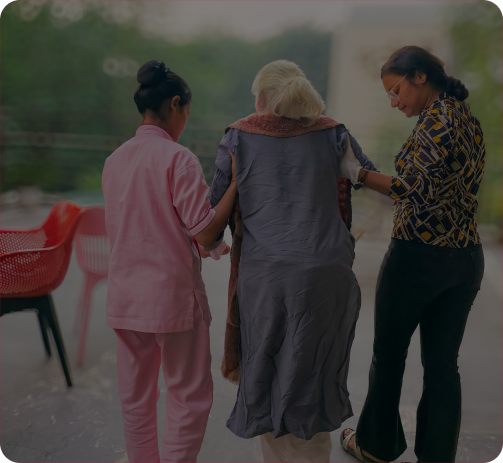
- Physiotherapy and mobility rehabilitation integrated into daily routines
- A calmer, more comfortable environment that supports healing
- Nutritious meals designed for recovery
- Social and recreational activities that support mental well-being
- Regular specialist and GP access without re-hospitalisation
- A bridge between hospital and a safe, confident return home
What this means for families seeking care in Gurgaon and Pune
Demand for quality post-surgery care in Gurgaon and rehabilitation care homes near Pune is rising rapidly, driven by ageing populations, increasing prevalence of chronic conditions and a growing number of families where adult children are working or living abroad.
The data is clear. When families have access to quality respite and rehabilitation nursing care, their loved ones recover better, return to the hospital less often and live fuller, more engaged lives. And when caregivers are genuinely supported, they can sustain the caregiving role in a way that benefits everyone.
Whether you are looking for a recovery care home near Gurgaon following a cardiac procedure, post-surgery care after an orthopaedic operation, or a rehabilitation and nursing home that provides ongoing care for a parent with a chronic condition, structured, professional, compassionate care during recovery is one of the highest-impact decisions a family can make.
Frequently Asked Questions (FAQ)
Q: Can Post-surgery care actually prevent hospital readmissions?
Yes. Multiple studies show that structured respite and rehabilitation nursing care significantly reduces readmission rates. A Boston-based study found 50% fewer readmissions in 90 days among elders who accessed medical respite programmes. A 2024 CDC meta-analysis confirmed a 21% reduction in 30-day readmissions with structured follow-up care.
Q: What is the difference between a rehabilitation nursing home and a hospital?
A hospital is designed for acute intervention and stabilisation. A rehabilitation and nursing home is designed for the recovery phase, offering physiotherapy, skilled nursing care, medication management, nutritional support and social engagement in a calmer, more holistic environment.
Q: What should I look for in a recovery care home near Gurgaon?
Look for 24/7 trained nursing staff, on-site physiotherapy, regular specialist and GP visits, structured activities, nutritious meals and a demonstrated commitment to person-centred care. Transparent family communication and subsidised family accommodation are also important markers of quality.
Q: Is Post-surgery care suitable after surgery?
Yes. Post-surgery care in a rehabilitation nursing home is one of the most evidence-supported ways to reduce readmission risk. The structured monitoring, medication management and physiotherapy available significantly improve recovery outcomes compared to unstructured home recovery.
Q: How does caregiver burnout increase hospital readmission risk?
When caregivers are chronically exhausted, their ability to provide consistent, attentive care diminishes. Early warning signs may be missed, medications may be managed incorrectly, and crisis decisions may be made under duress. Post-surgery care breaks this cycle, directly reducing the risk of preventable hospitalisation.
Q: Are there rehabilitation care homes near Pune for post-discharge recovery?
Yes. Structured rehabilitation and nursing homes offering post-discharge recovery care are available in and around Pune, providing skilled nursing support, physiotherapy and medical oversight for older adults recovering from surgery, illness or acute events.
In Summary
Hospital readmissions are not inevitable. They are, in large part, preventable, with the right support, at the right time, for both the elder and the people who love them.
Post-surgery care and structured rehabilitation nursing care, delivered with clinical expertise and genuine compassion, are among the most evidence-supported tools available for breaking the readmission cycle. The research is consistent. The real-world outcomes are compelling. And the human case is beyond question.
Because recovering well is not just about what happens in the hospital, it is about everything and everyone that shows up after.
At Epoch Elder Care, our rehabilitation and nursing care programmes are designed around each individual, combining medical oversight, trained nursing staff, physiotherapy, meaningful engagement and warm community support to give your loved one the best possible conditions for recovery. Whether you are looking for post-surgery care in Gurgaon or a compassionate recovery care home near Pune, we are here. Reach out to us to learn more.