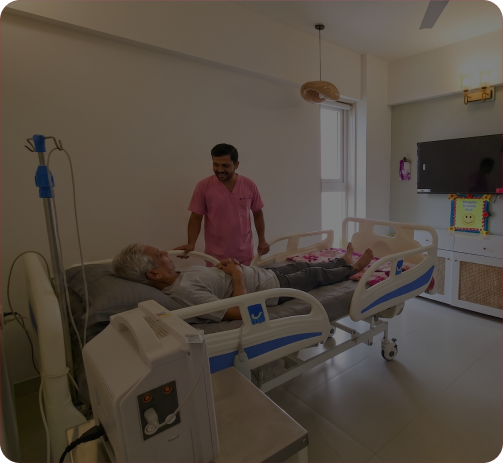
As our loved ones grow older, even a brief hospital stay, surgery, or sudden illness can change everything. Strength fades quickly, joints stiffen, balance becomes uncertain, and a simple step can feel frightening. Families often find themselves searching urgently for the right kind of help: a Recovery Nursing Home, Post-Surgery Care Home, or Rehabilitation and Nursing Care facility where their loved one can heal safely and regain their functionality.
In these moments, physiotherapy isn’t just a treatment; it becomes the foundation of recovery. It helps elders rebuild weakened muscles, restore mobility, and return to their daily routines with dignity and confidence. Just as importantly, physiotherapy prevents the quiet but serious complications that follow prolonged rest: muscle loss, poor balance, reduced stamina, and a much higher risk of falls.
To make the journey clearer for families, here is a simple, compassionate guide explaining how physiotherapy supports elder rehabilitation, structured around the most common questions families search for when looking for the right care home for their loved ones.
Why is physiotherapy essential in elder rehabilitation?
When an elder becomes weak or loses mobility, recovery doesn’t happen automatically. Ageing slows healing, muscles shrink faster, joints stiffen, reflexes weaken, and the body takes longer to regain balance and coordination. After surgery, this becomes even more challenging.
Elders often face pain, anaesthesia-related confusion, reduced stamina, and a higher risk of complications, making rehabilitation slower and more demanding than it is for younger adults.
Physiotherapy helps elders:
- Rebuild lost strength
- Improve balance to prevent falls
- Reduce pain and stiffness
- Restore daily movements like sitting, standing, and walking
- Regain confidence while moving
With the right physiotherapy support, recovery becomes safe, structured, and filled with steady progress, one step at a time. Families seeking Post-Surgery or Post-Operative Care Homes want one thing above all, a safe, steady recovery for their loved one. After procedures like knee or hip replacements, cardiac surgeries, or spine surgeries, elders often face pain, weakness, and a sudden loss of independence. Even simple movements can feel overwhelming.
Common struggles include:
- Difficulty walking
- Weakness and low stamina
- Pain and stiffness
- Poor balance and fear of falling
Physiotherapy plays a crucial role in rebuilding strength and confidence through:
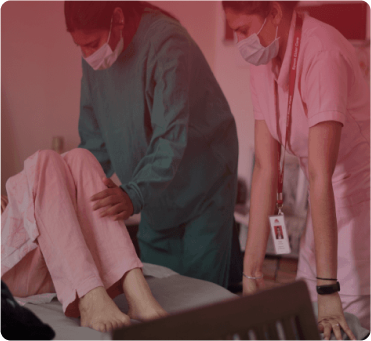
- Early movement to prevent complications
- Strength and balance training to restore mobility
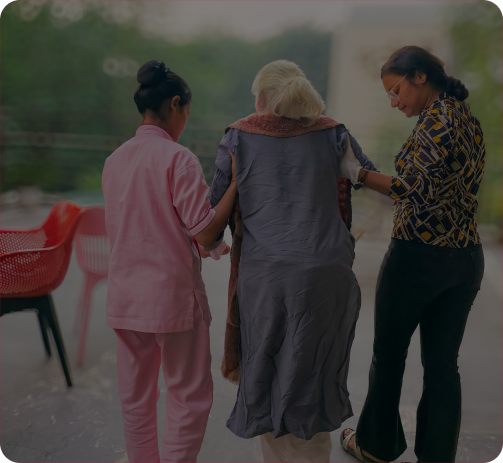
- Gait training to ensure safe walking
- Pain-relief techniques
- Functional training for daily tasks
With the right physiotherapy support, elders heal faster, avoid complications, and regain their independence, turning a frightening recovery period into a guided path back to comfort and mobility.
Research also suggests that starting physiotherapy before surgery helps elders rebuild strength and confidence, laying the foundation for better recovery. After surgery, early gentle movement can reduce complications and help them return home sooner. Even for those who are intubated or on ventilation, physiotherapy remains safe and meaningful, shortening ventilator time and supporting a faster return to independence. In challenging moments, it becomes a compassionate, evidence-based way to restore comfort, mobility, and hope.
How does physiotherapy reduce fall risk in elders?
One of the biggest concerns for families searching for elder care homes can be that falls can cause fractures, hospitalisation, and long-term mobility loss in elders. Research shows that exercise programs focusing on strength and balance can meaningfully reduce fall rates, fall-related injuries, and even the fear of falling in older adults.
Balance activities tend to offer the strongest benefits. While cognitive training alone has not yet been shown to reduce fall risk, it can improve cognitive function, an important factor as cognition and mobility are deeply interconnected in ageing. Physiotherapists reduce fall risk by improving:
- Leg strength
- Balance and coordination
- Walking patterns
- Awareness of body movement (proprioception)
They also train elders in the safe use of assistive devices like walkers, canes, and handrails. When an elder feels steady on their feet, everything else becomes easier: eating, bathing, walking, meeting friends, and participating in daily routines.
Does physiotherapy help elders with dementia?
Many families worry whether physiotherapy will work for elders with memory loss or cognitive decline. The answer is yes, absolutely.
But unlike in healthy elders, physiotherapy for elders with dementia focuses on:
- Restoring simple movement patterns
- Improving balance to prevent falls
- Reducing stiffness from inactivity
- Encouraging participation through repetition and gentle cues
- Improving mood and reducing agitation
There is strong evidence that shows that gentle, structured exercise and physiotherapy can truly make a difference for people living with mild cognitive impairment, Alzheimer’s disease, and other dementias. Not only does it support their physical health, but it also helps them sleep better, feel calmer, and experience more restful nights. For families and caregivers, this brings a sense of relief and reassurance, knowing that something as simple as movement can offer such meaningful comfort.
How do physiotherapists personalise recovery plans?
Every elder is different. Their age, medical conditions, mobility levels, and emotional comfort all matter. A personalised plan in an elderly Rehabilitation and Nursing Home usually includes:
- Strengthening exercises
- Balance therapy
- Breathing exercises
- Stretching
- Mobility and gait training
- Functional training, such as sitting, standing, and stair climbing
Physiotherapists personalise recovery plans by first understanding the elder’s unique physical, cognitive, and emotional needs. They assess strength, balance, mobility, pain, behaviour, and cognitive function to get a complete picture of what the elder can and cannot do.
They also study the elders’ daily life, how they move, what activities matter to them, and which tasks cause difficulty. This helps them create goals that are practical and meaningful, like improving safe walking, reducing agitation, or preventing falls. Recovery plans are continuously adjusted as the elder’s condition changes. Physiotherapists monitor progress closely and modify exercises to match new strengths or emerging challenges.
They also work alongside caregivers and families, teaching safe handling techniques and offering guidance so support continues even outside therapy sessions. Above all, personalised physiotherapy focuses on comfort, dignity, and helping the elder regain confidence, one safe, supported step at a time.
Recovery and Rehabilitation at Epoch Elder Care
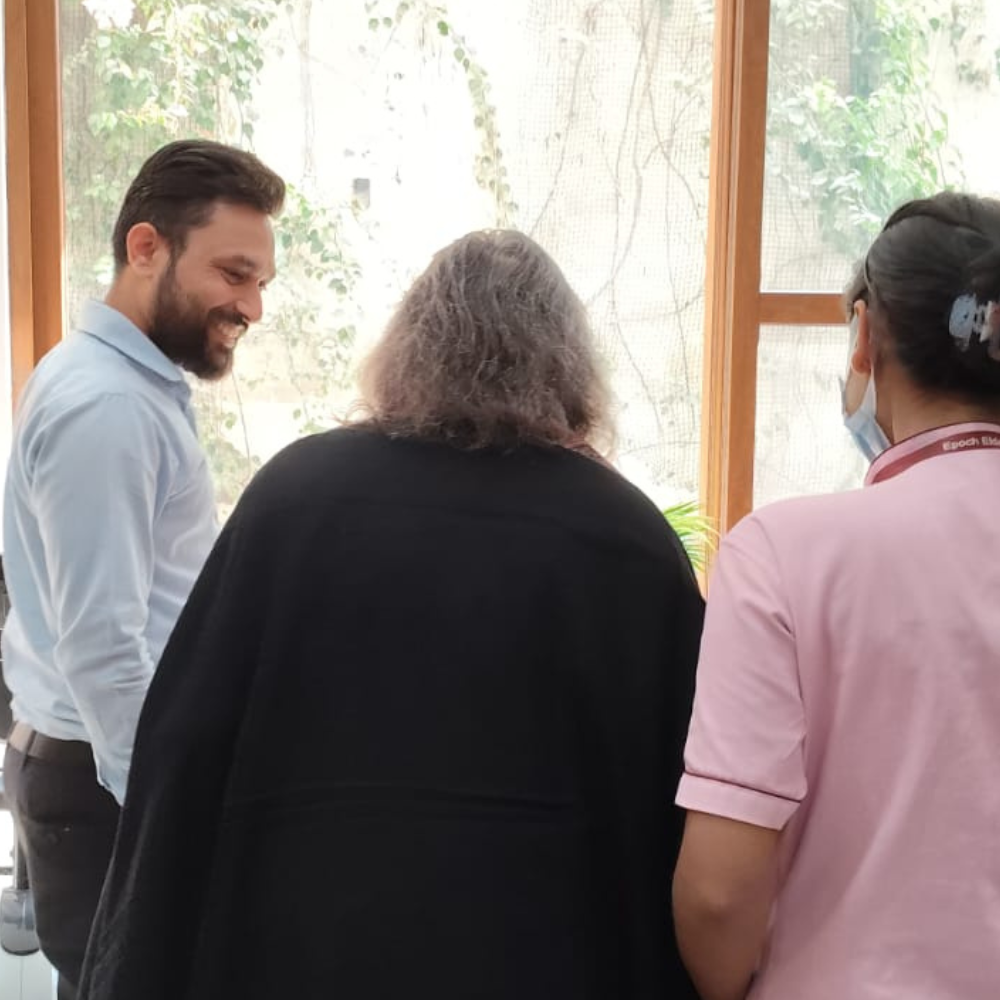
At Epoch Elder Care, rehabilitation or recovery care is never a one-size-fits-all program; it is a deeply person-centered journey built around each elder’s medical condition, abilities, routines, preferences, and emotional needs. Our clinical and care teams work closely with elders to set small, meaningful goals, offering gentle guidance, consistent encouragement, and structured support that helps them regain confidence one step at a time.
Using evidence-based, global best practices, we design rehabilitation plans that evolve through regular reassessments, ensuring every intervention reflects the elder’s current health and progress. Whether an elder is recovering from surgery, illness, or age-related decline, our approach prioritizes dignity, safety, and comfort. We walk alongside each elder with compassion and clinical precision, striving for the best possible outcomes for every elder.
Conclusion
For elders living with dementia, Alzheimer’s, or other neurodegenerative conditions, physiotherapy becomes far more than a routine intervention; it is a pathway to comfort, stability, and dignity. As their worlds become more confusing and unpredictable, guided movement helps ease agitation, improve balance, and reduce the risk of falls, giving them moments of reassurance in their own bodies.
Physiotherapy cannot change the course of the condition, but it can preserve function, slow motor decline, and create meaningful moments of engagement. Rehabilitation, in this context, isn’t about recovery; it’s about helping them move safely, feel supported, and experience small but significant improvements that enhance their quality of life, one compassionate step at a time.