Mental health is often discussed, but rarely understood in its entirety. Terms like anxiety, depression, and OCD are used freely, yet few people truly grasp what these conditions look like in lived experience. What remains largely misunderstood is mental health in the elderly. As life expectancy rises, so does the prevalence of neurodegenerative conditions such as Alzheimer’s disease, Parkinson’s disease, Lewy body dementia, and related cognitive disorders.
This shift makes one thing clear: elder mental health care can no longer be treated as an accessory service; it must be embedded as a core component of elder care. The way we approach ageing needs to evolve, from focusing only on diagnoses to recognising the person as a whole. True care looks beyond symptoms and conditions, and responds to emotional needs, identity, and lived history. Because supporting mental health in later life is not separate from care, it is what makes care truly complete.
Sneak Peek into an Indian Household
Within many Indian households, elders are conditioned to minimise, suppress, or redirect their own emotions, often out of habit, pride, or a lifelong belief that they must remain strong for others. While this restraint may appear as resilience, it can quietly intensify inner distress. Unexpressed fear, sadness, or confusion often goes unrecognised, even by the individual experiencing it, which can heighten anxiety and deepen uncertainty.
Over time, this silence reinforces stigma around mental health, creating a vicious cycle: emotions are dismissed, distress escalates, and support is delayed. Without safe spaces to acknowledge and address what they feel, many elders experience worsening psychological strain alongside their physical or cognitive challenges.
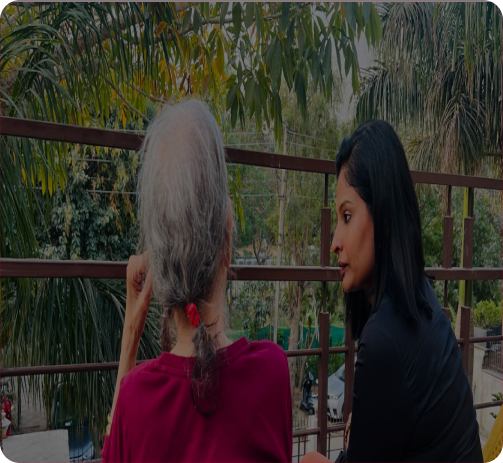
Breaking this cycle means making emotional expression feel safe, not shameful; creating space for honest conversations, not silent endurance; and weaving mental health awareness into everyday elder care, not as an exception, but as a standard of support.
The Invisible Burden of Mental Health in Neurodegenerative Disorders
How do conditions like dementia affect Mental Well-Being in Elders, and why is it so important to address this early?
Even in its earliest stages, a diagnosis of dementia can deeply affect a person’s mental and emotional well-being, sometimes before noticeable cognitive decline begins.
- The moment of diagnosis often brings fear, uncertainty, and anxiety about the future. Individuals may begin to feel a loss of control, a fading sense of hope, or growing helplessness, which can place them at significant risk for depression.
- As functional changes gradually emerge, emotional strain often intensifies. Memory gaps can cause confusion and distress, making everyday interactions feel overwhelming.
- Some individuals may become agitated or restless, while others withdraw, develop apathy, have dementia-related aggression or disengage socially because communicating even simple needs starts to feel exhausting. What may appear outwardly as behavioural change is often an expression of emotional distress.
The impact extends beyond the individual. Families frequently experience anticipatory grief, decision fatigue, and chronic stress as they navigate the uncertainties of progression and care. When mental health is not proactively supported, these emotional pressures can escalate, leading to behavioural crises, avoidable hospitalisations, or premature transitions into higher levels of care.
Traditional care systems tend to intervene only once symptoms become disruptive. But reactive dementia care is not enough for progressive neurological conditions. Neurodegeneration requires anticipatory, structured, and person-centered mental health support from the very beginning.
Addressing emotional well-being early with Dementia-Focused Mental Health Programs not only improves quality of life, it also stabilises behaviour, strengthens relationships, and helps individuals live with greater dignity throughout the course of their condition.
Challenges We Face with Mental Health in the Elder Care Landscape in India
India’s elder care ecosystem has strengths, strong community bonds in many places, growing interest from social entrepreneurs, and a rising policy focus on older adults. But several structural challenges widen the mental health gap:
- Specialist shortage: India has fewer than 1 psychiatrist per 100,000 people, with an even smaller proportion trained in geriatric mental health.
- Treatment gap: An estimated 70–85% of people with mental health conditions in India do not receive adequate treatment, affecting older adults disproportionately.
- Ageing population surge: India’s 60+ population is projected to reach ~20% of the total population by 2050, increasing demand faster than services are expanding.
- Dementia prevalence: Over 5–8 million Indians are estimated to be living with dementia, with numbers expected to double in the coming decades.
- Healthcare workforce strain: India has roughly 1 doctor per ~1,500 people, below WHO’s suggested ratio, limiting time for specialised geriatric mental health care.
- Infrastructure gap: Dedicated geriatric and long-term care facilities remain far fewer than required for the current ageing demographic.
- Urban–rural disparity: Most mental health professionals and services are concentrated in major cities, leaving large regions underserved.
Yet these challenges present clear opportunities. India can develop culturally sensitive, scalable models that combine family involvement, community health workers, technology, and specialist support. Because many Indian families value intergenerational ties, solutions that strengthen family roles while supporting caregivers can scale rapidly and compassionately.
How Structured Mental Health Programs Can Help Elders?
Whether triggered by environmental stressors or rooted in a neurodegenerative condition, mental health in elders must be addressed with equal seriousness. Emotional well-being is not secondary to physical health; it is inseparable from it. An elder may appear physically well yet show sudden withdrawal, irritability, agitation, or uncharacteristic rudeness.
These shifts are often signals of deeper emotional or cognitive distress rather than personality change. Gender, social roles, life history, and cultural conditioning can further influence how these emotions are experienced, expressed, or suppressed.
Structured mental health support can make a profound difference. With the right programs, elders can rebuild confidence, rediscover hope, and find safe ways to express and regulate their emotions. This not only helps them feel calmer, more connected, and more engaged with life, but also strengthens family relationships.
When elders feel emotionally supported, families can switch from a caregiving role to being a family again, experience less stress and burnout, allowing them to be more present, patient, and understanding. In this way, prioritising mental health in elder care doesn’t just improve individual wellbeing, it stabilises and uplifts the emotional health of entire families.
What does a good Mental Health Program Look Like?
Elder care mental health programs are not limited to psychotherapy or one-dimensional care plans. They are multidimensional ecosystems where clinical care, emotional support, environment, engagement, and social connection work together to support the whole person. True wellbeing emerges when these elements interact, addressing not just symptoms, but also physical health, social needs, and the underlying causes of emotional distress.
Some of these essential components include:
- Proactive screening & early emotional mapping: Regular assessments for mood, anxiety, cognition, and behavioural changes to enable early, gentle interventions.
- Multidisciplinary mental health ecosystem: Integrated teams of clinicians, psychologists, nurses, therapists, and trained caregivers creating personalised care plans.
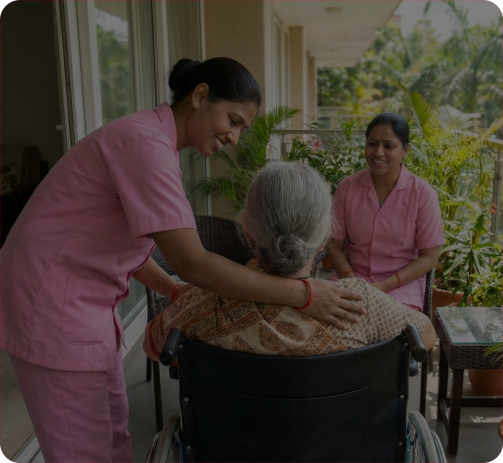
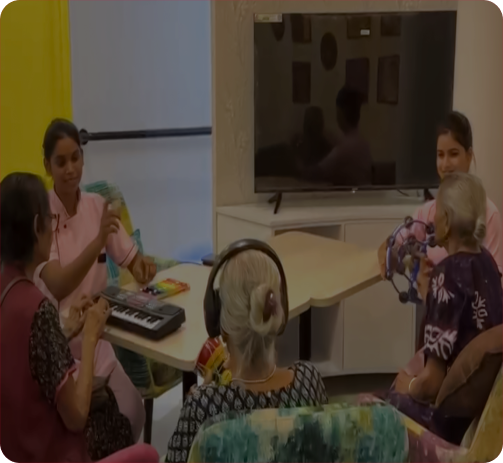
- Therapeutic engagement as daily care: Structured activities like reminiscence, music, sensory stimulation, and guided interaction that support emotional stability and cognitive health.
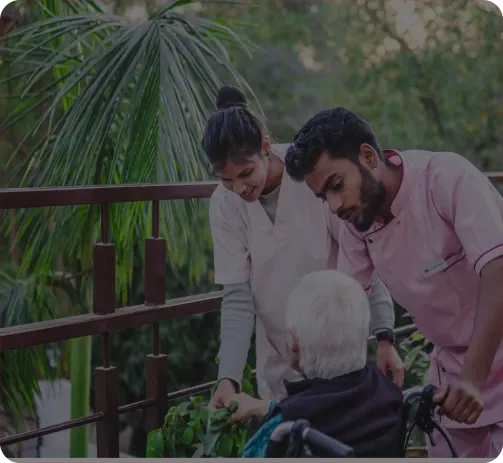
- Emotionally trained caregiving staff: All team members trained to recognise psychological cues, respond empathetically, and manage distress without escalation.
- Family support integration: Education, counselling, and guidance for families to reduce caregiver stress and strengthen emotional bonds.
- Environment as therapy: Calm, predictable, senior-friendly spaces designed to reduce anxiety, confusion, and overstimulation.
- Technology-enabled monitoring: Use of teleconsults and structured tracking tools to detect subtle emotional or behavioural shifts early.
- Embedded mental health in daily living: In Epoch-operated care settings, emotional wellbeing is built into routines, interactions, and engagement programs.
- Advocacy and awareness: Ongoing efforts to normalise elder mental health as a core healthcare priority, not an optional add-on.
The Future of Elder Care in India: Conclusion
The future of elder care in India will be shaped by those who recognise a simple but powerful truth: even when memory fades or abilities change, the need to feel safe, understood, and loved never disappears. Elders often carry silent burdens: loss, loneliness, physical strain, and uncertainty, all of which can deeply affect their emotional well-being. When mental health is overlooked, suffering grows quietly, even if it isn’t always visible.
But when care is designed with compassion and intention, something remarkable happens. Anxiety softens, trust returns, and moments of recognition, comfort, and joy begin to surface again. That is the true measure of meaningful elder care, not just adding years to life, but ensuring those years are lived with dignity, reassurance, and emotional peace.